
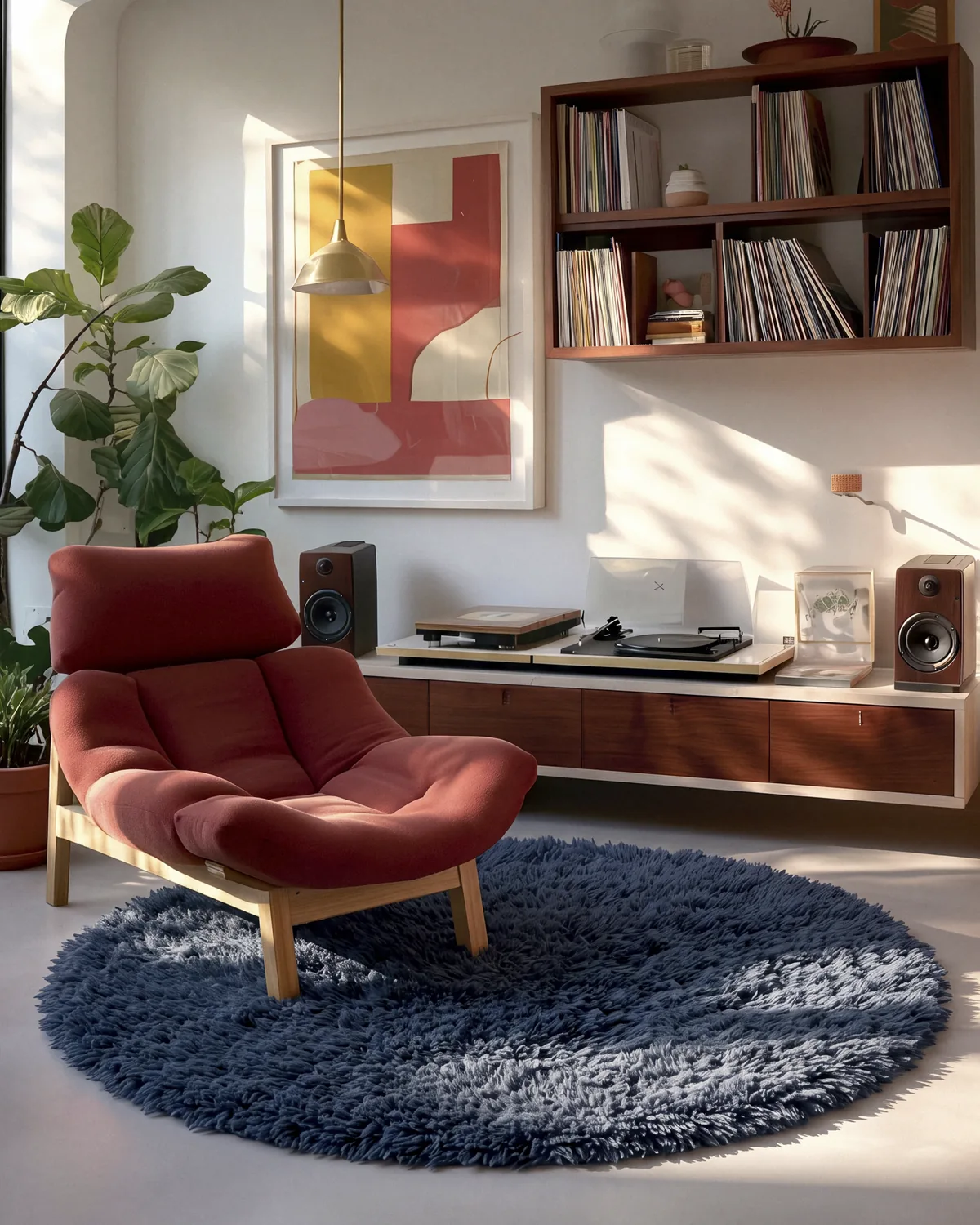
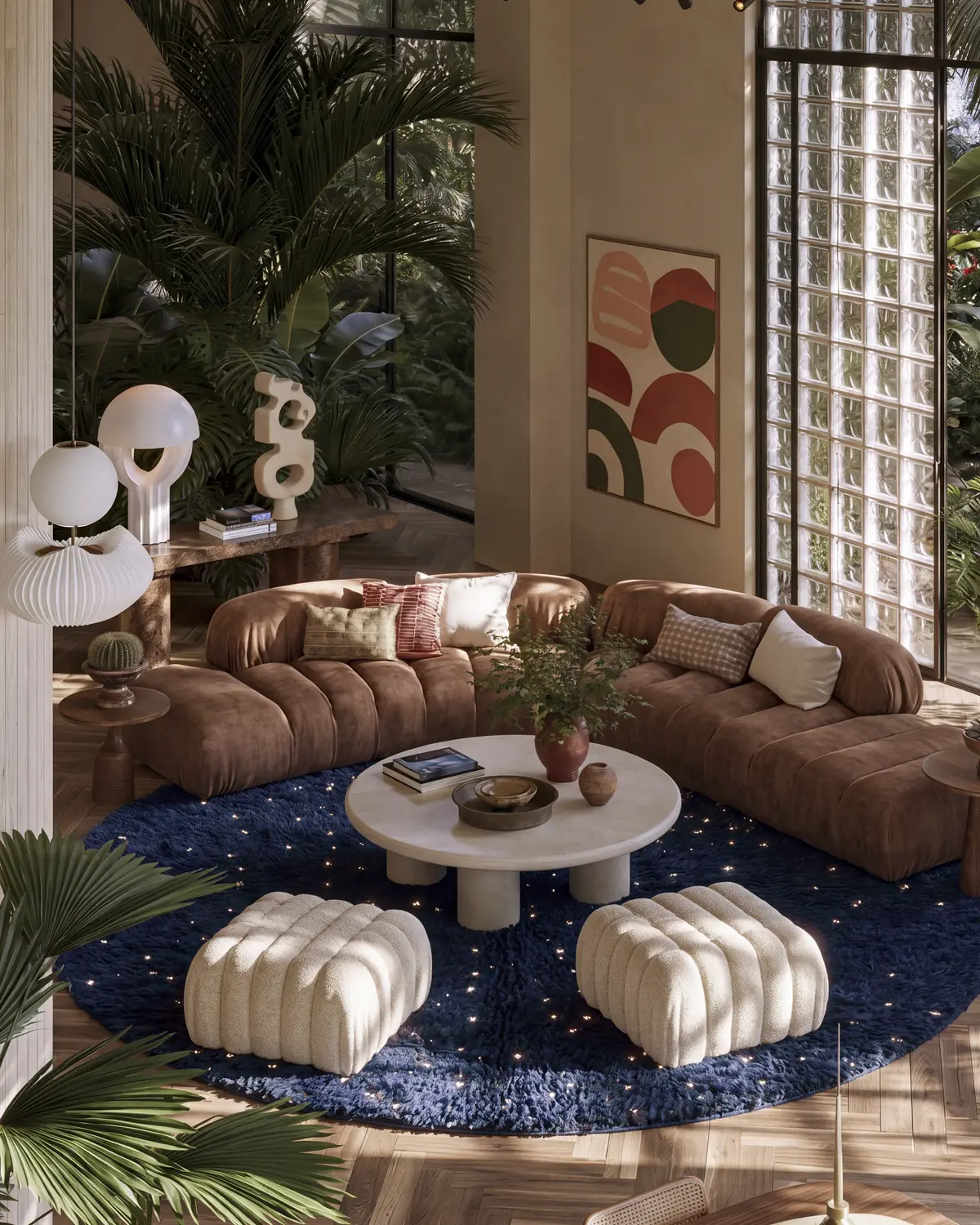
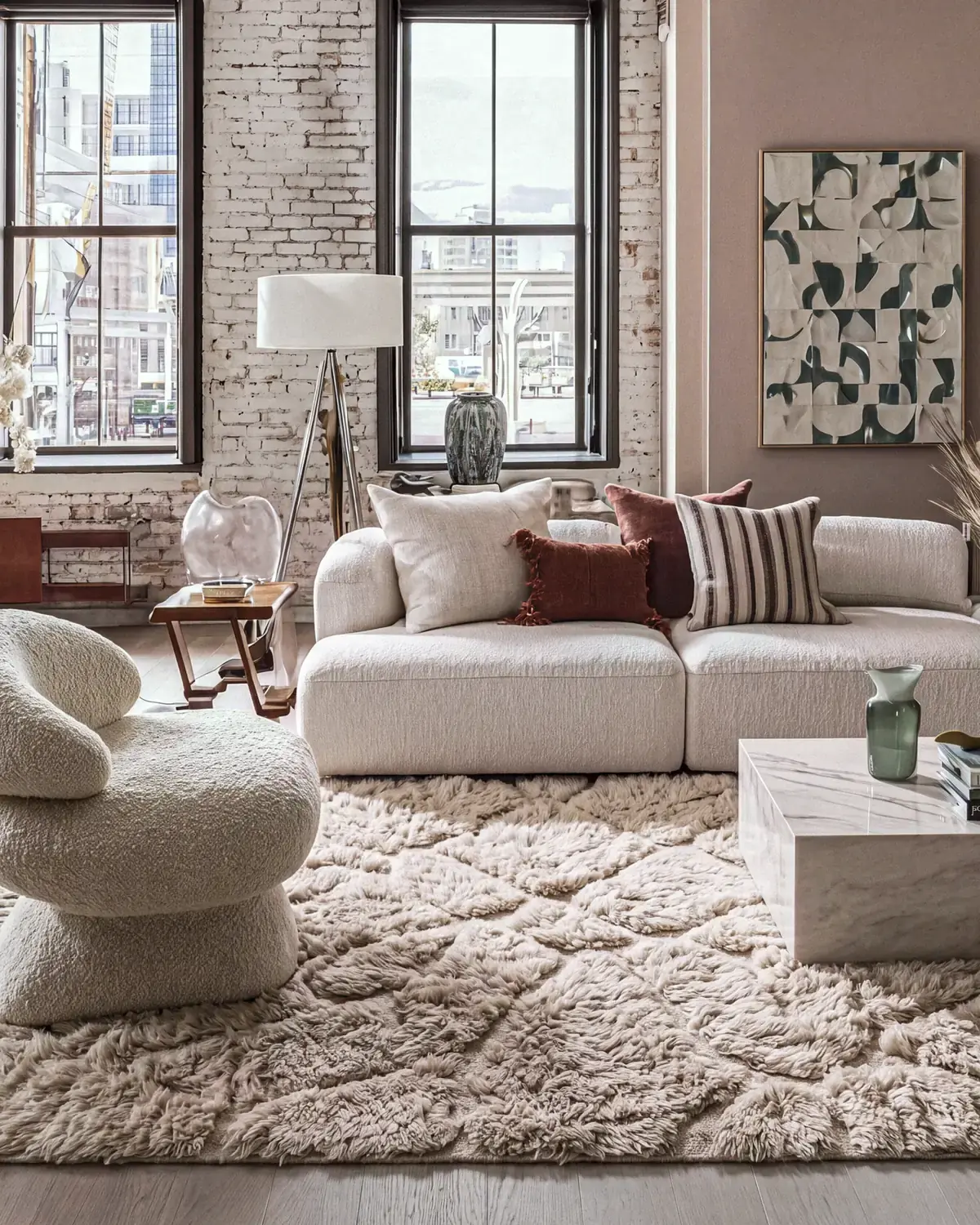
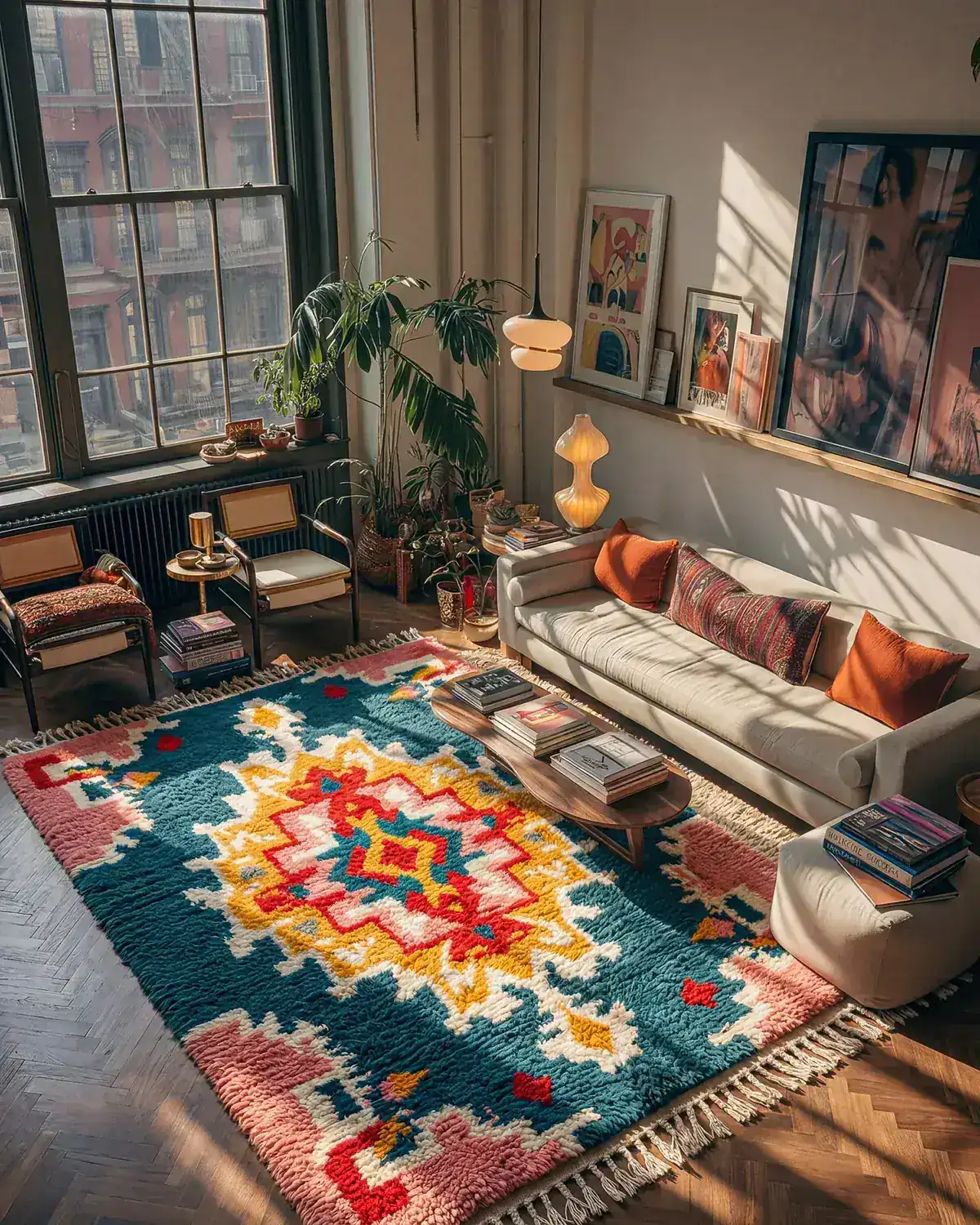
Os nossos designs, ou um tapete à medida
Entrega e direitos aduaneiros incluídos
Feito à mão em Marrocos
Zarbish logo
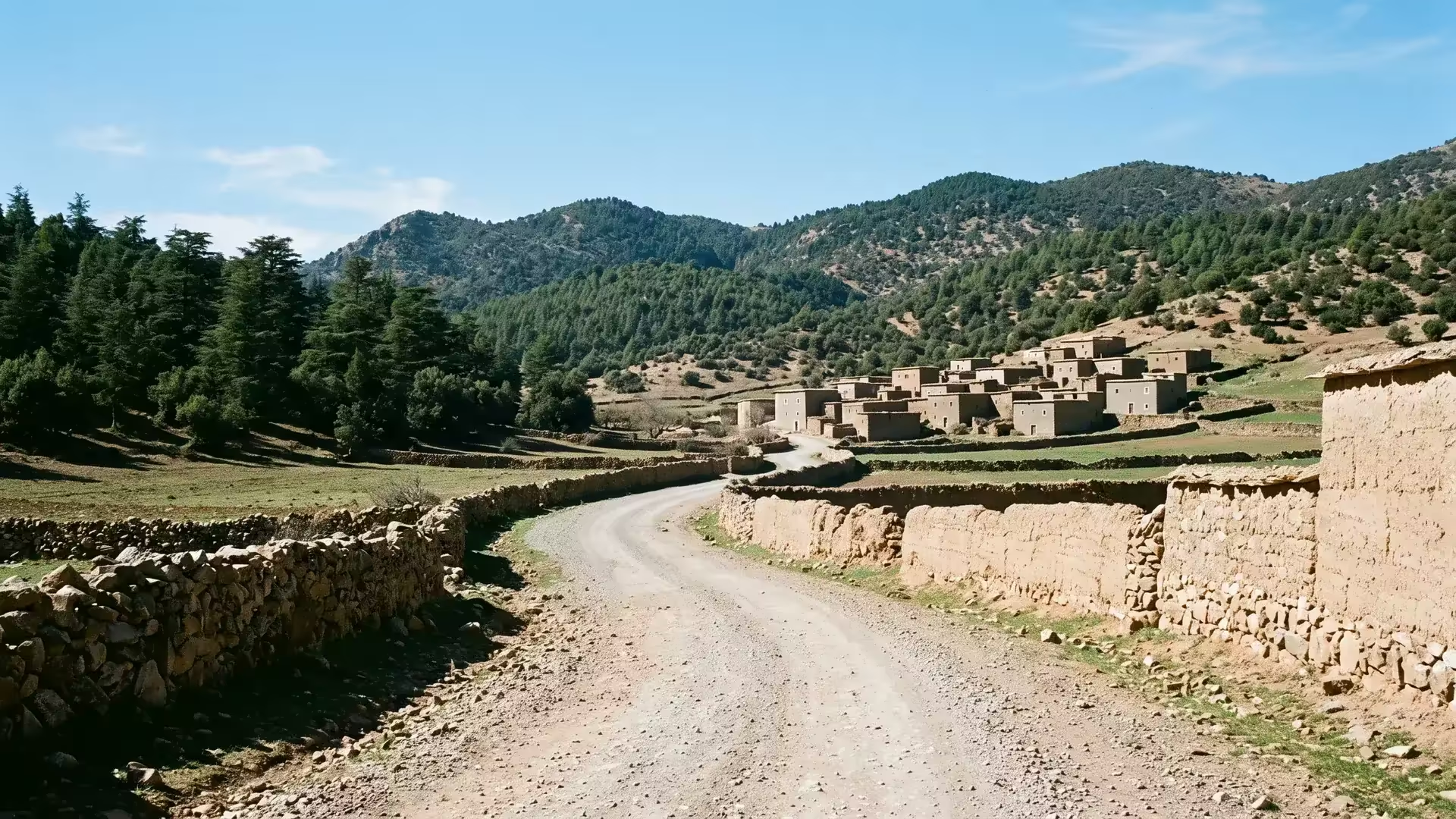
A road leading to a village in the hills of Morocco’s Middle Atlas

Our story

Zarbia, in Darija. Zarbish, in ours.

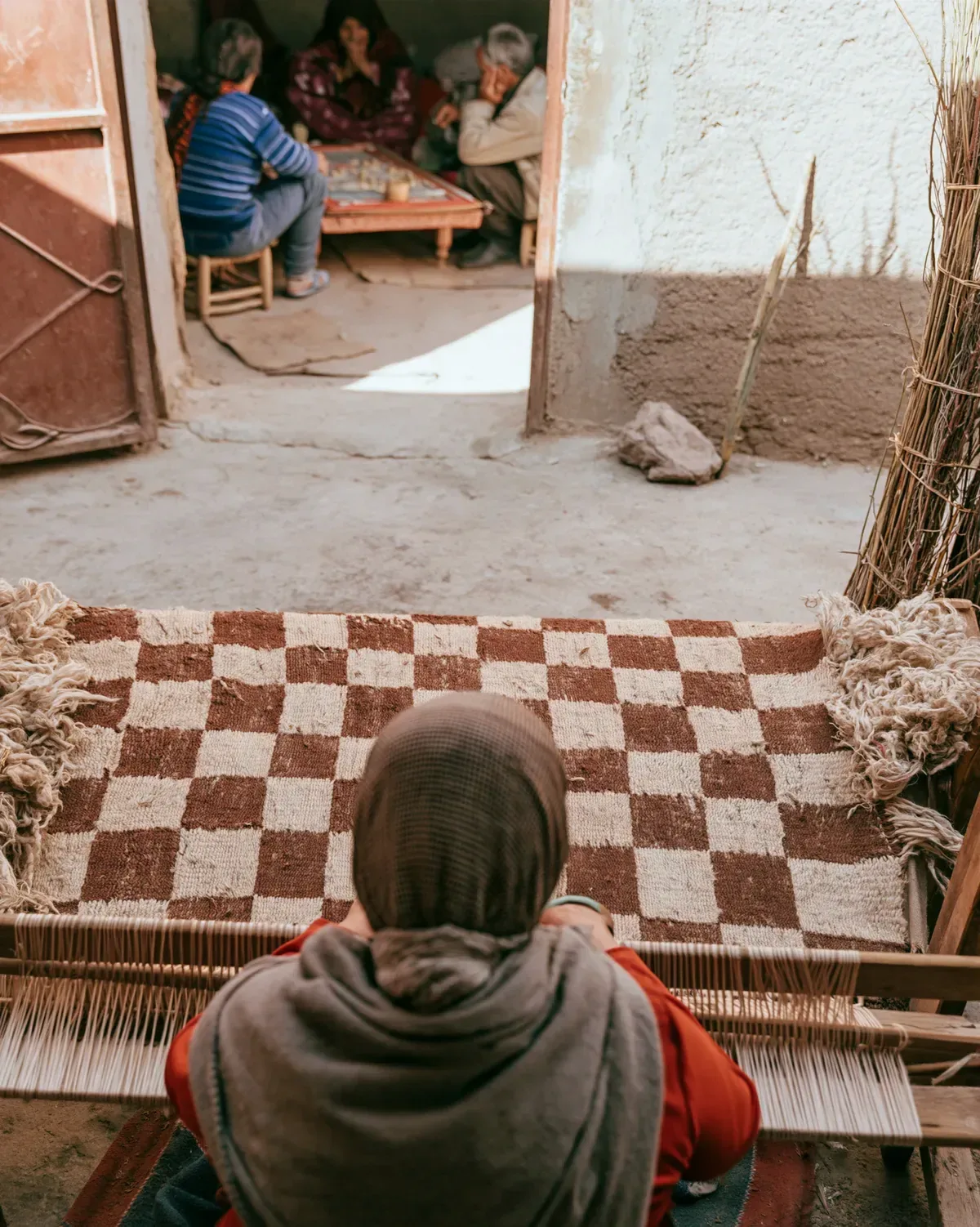
Walk a street in the Atlas and a rug is taking shape somewhere along it, a pattern advancing row by row. There, it is not a job. It is what the street does.

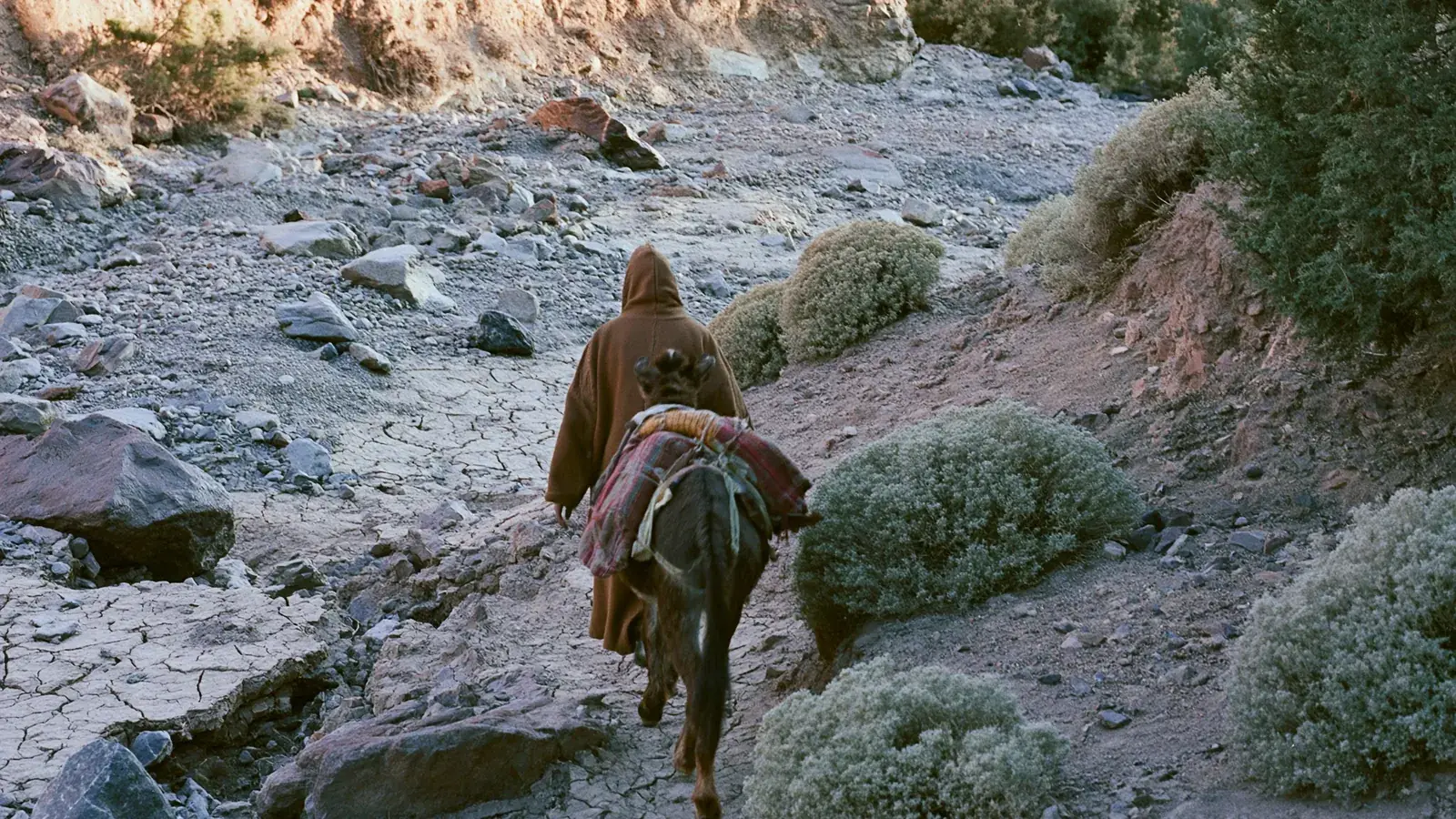
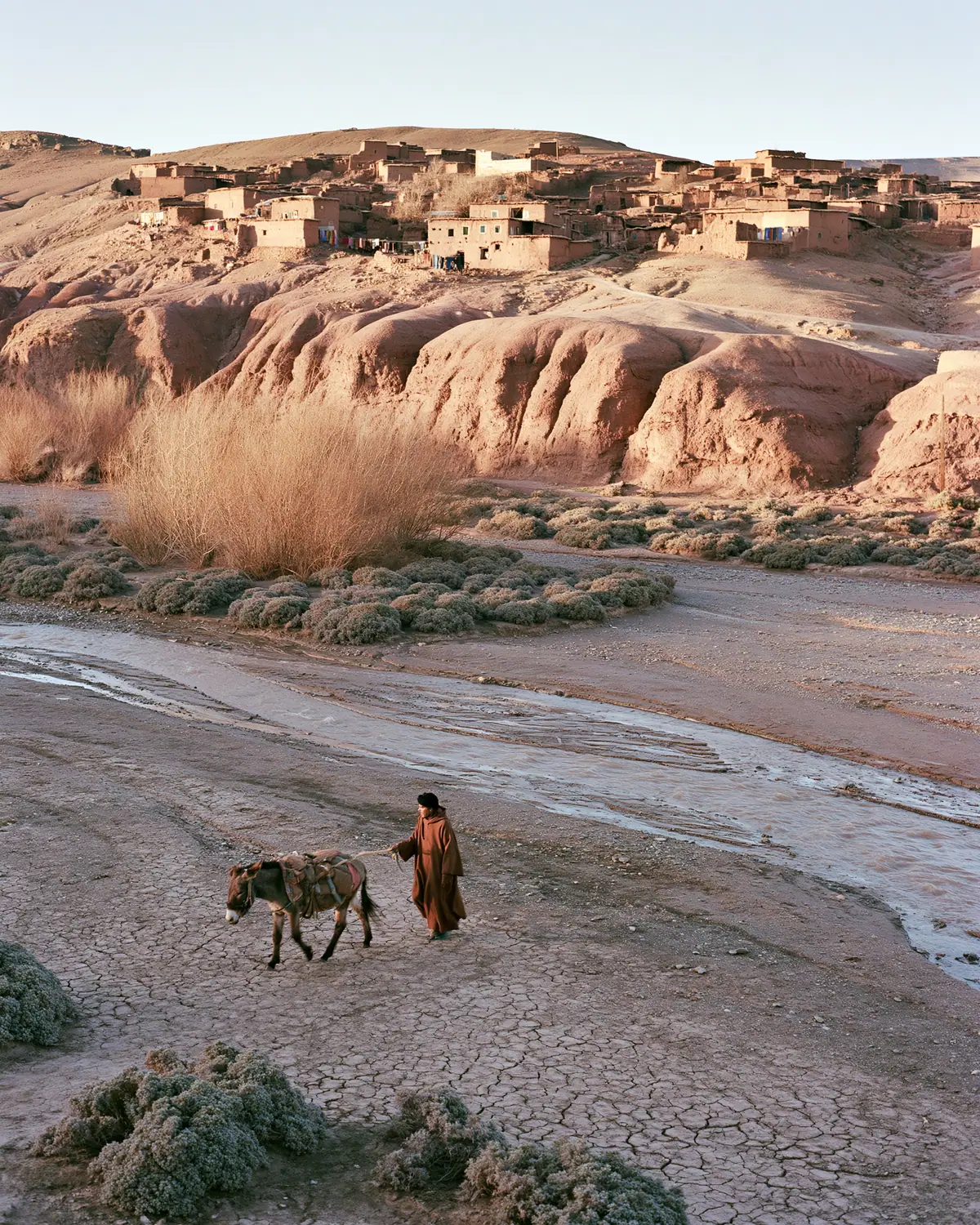
Uma figura conduz um burro carregado pelo leito seco de um rio, sob uma aldeia de terra do Atlas

Middle Atlas

The tribes

Beyond the street there is the tribe, and beyond the tribe, the Atlas, home to many small tribes, their names known mostly to their own people. Each keeps a signature, its marks and its rhythm of repetition and break, which weavers once tied from memory. Around one town, several of them answer to a single name, Beni Mrirt, and Zarbish was born there.
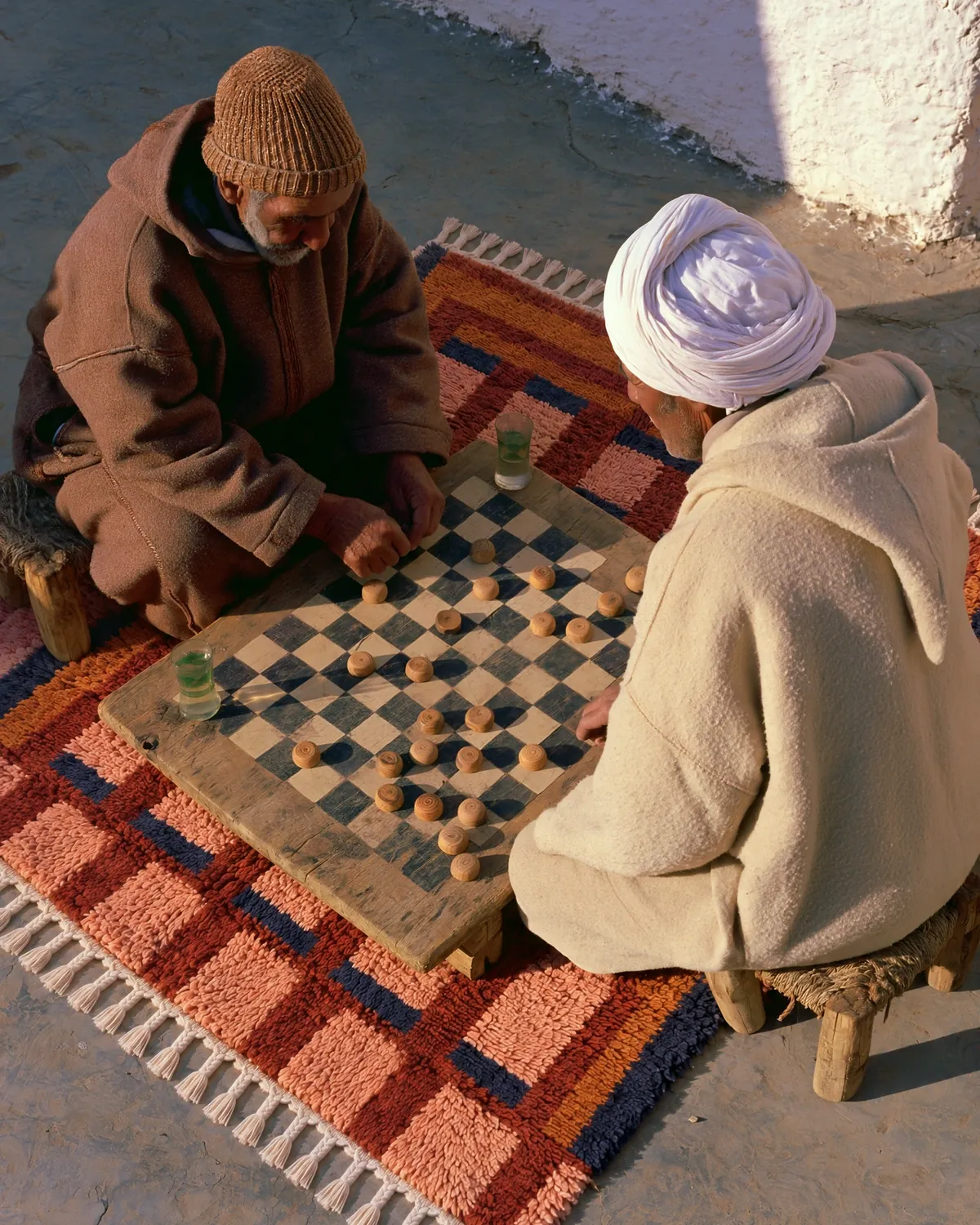
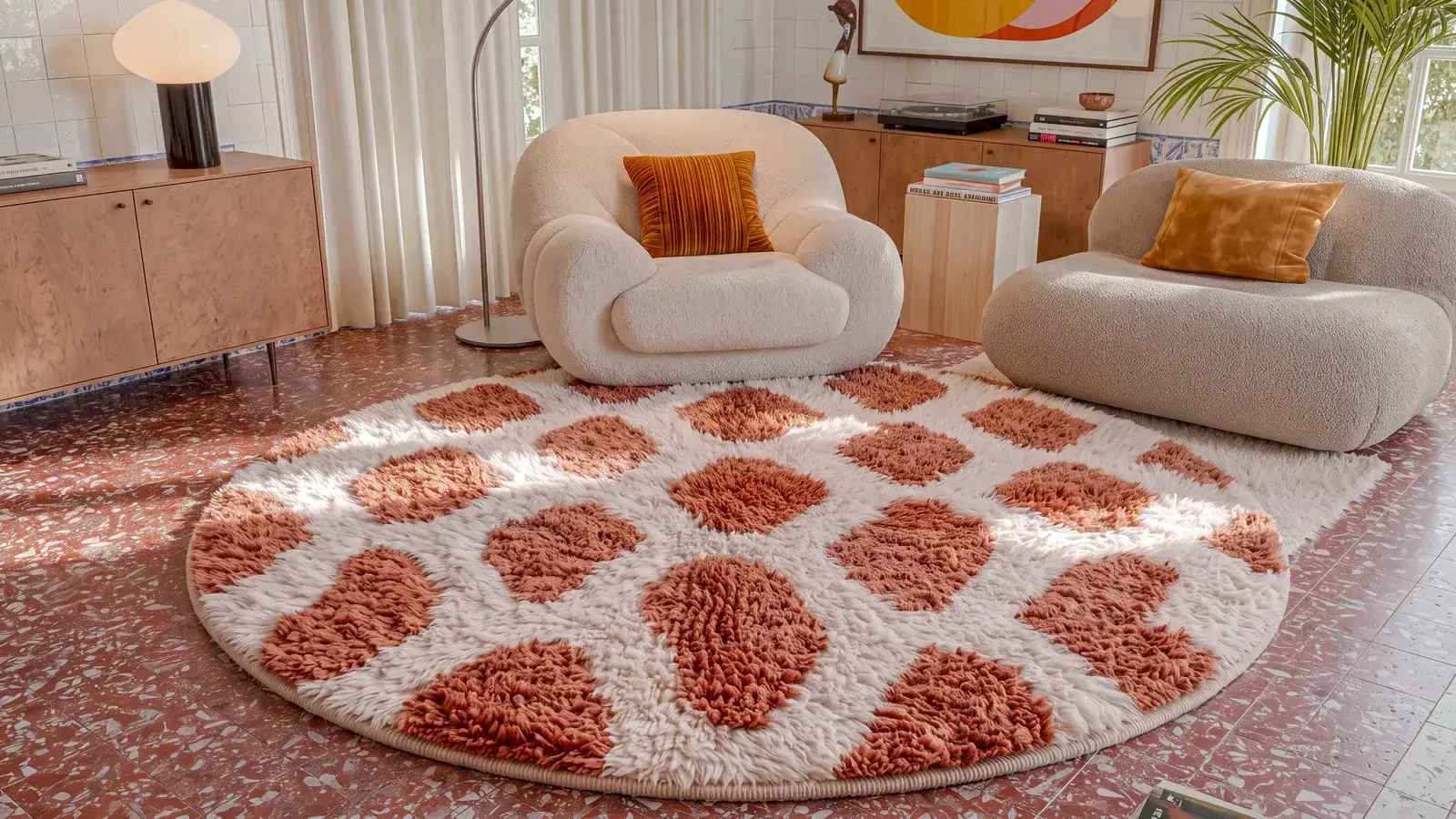
Two men at a checkers board on Tigmi, a peach and terracotta hand-knotted rug, glasses of mint tea beside them

The beginning

The weavers

Trust came before the first rug did. It began in the souk, where families brought rugs to sell, and deepened in their homes: beside the loom, watching a pattern grow, over a glass of attay. Today it is the team of weavers who knot every Zarbish rug.

A rug leaves the loom waiting to be completed. What completes it is a home it has never seen and a family it has not met. It brings an old culture and the way of making that came with it, and it may live long enough to be handed down. What will it meet?

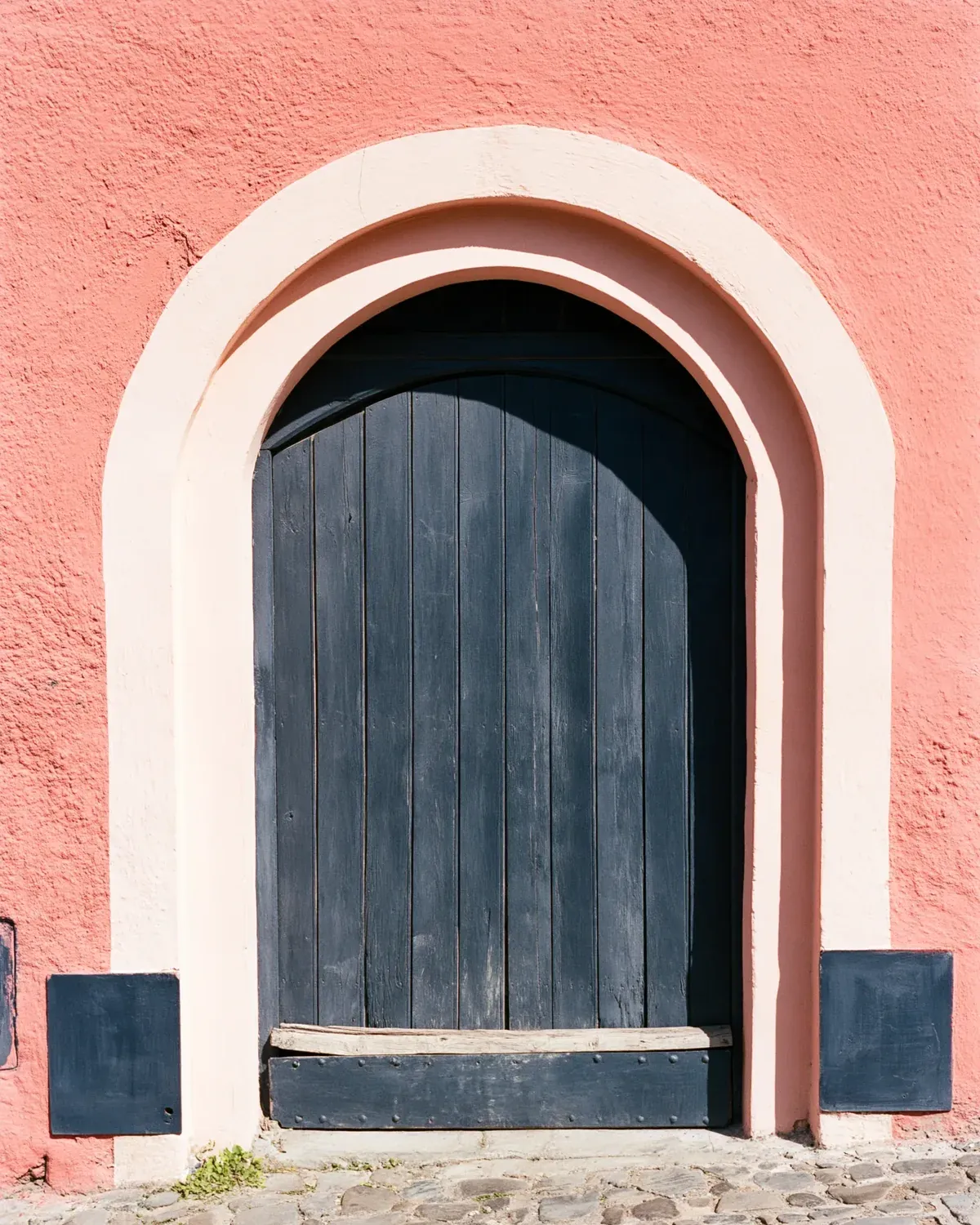
A navy door under a carved arch in a coral plaster wall
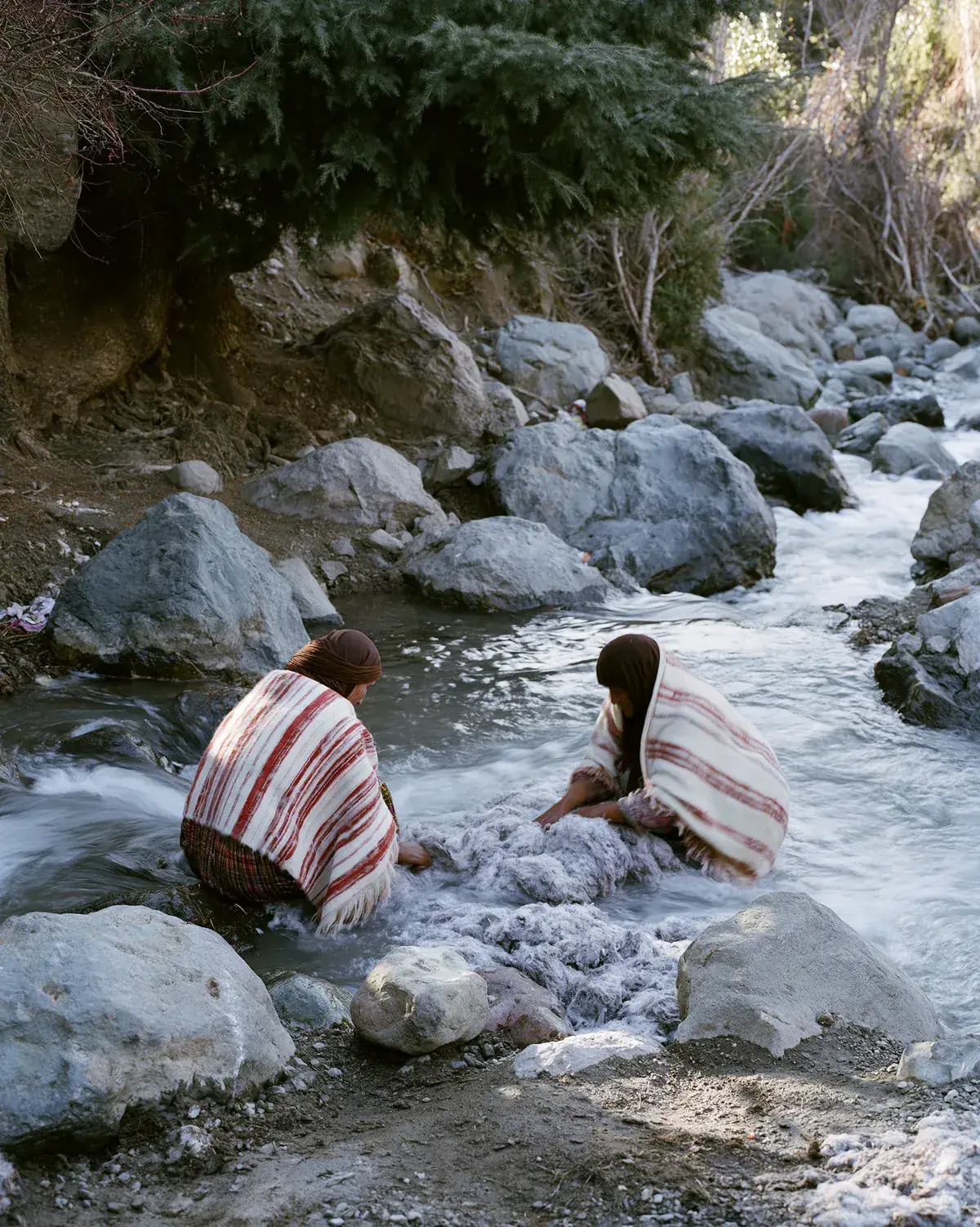
Fleece washed by hand in a mountain stream

The blend

What Zarbish is

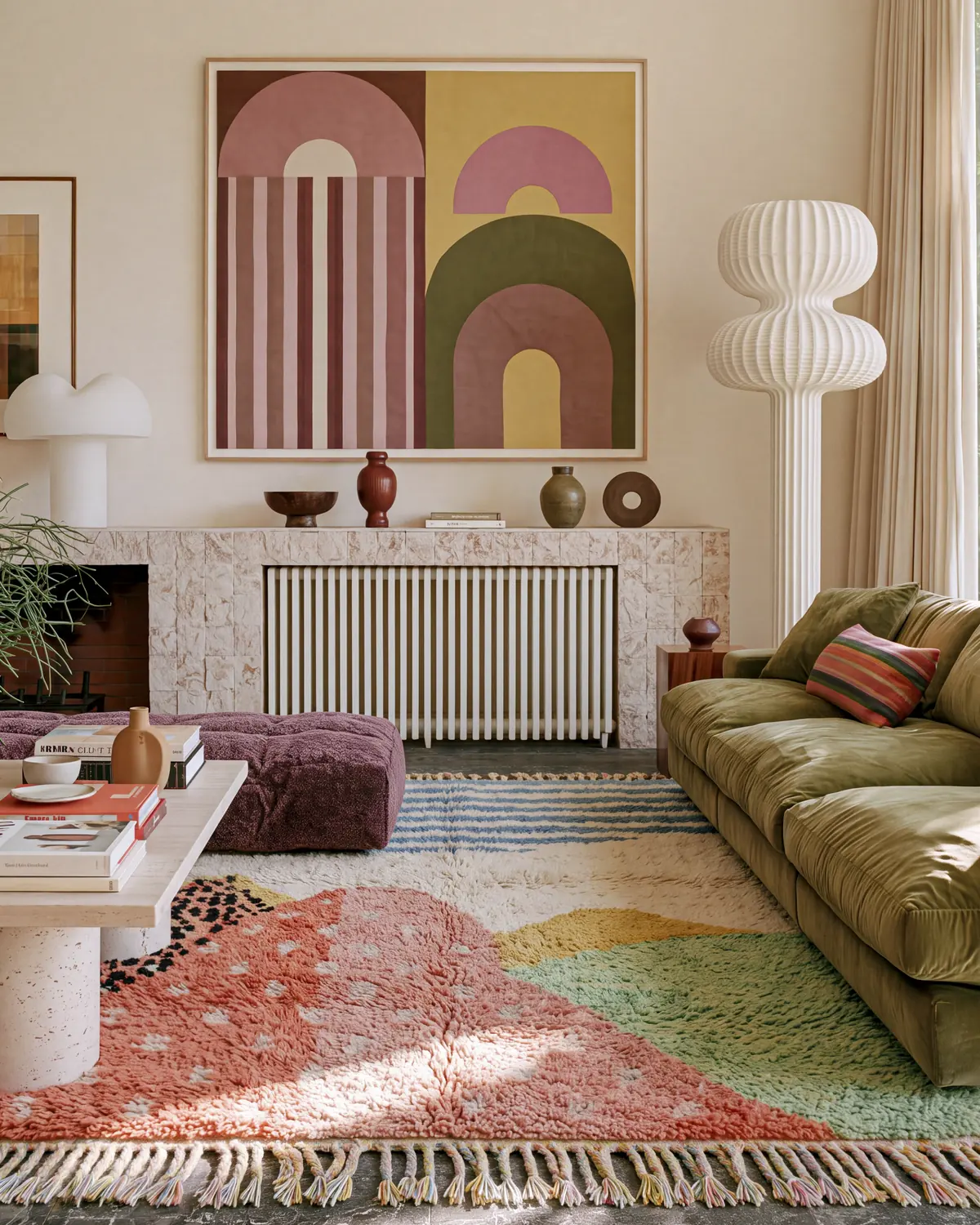
It meets the zellige, the carved arch, the land: the artistry of Morocco. It meets the sofa, the wall, the light at the window. Zarbish is where the three come together: Berber culture, Moroccan artistry, the home of today.

Our collections

How Zarbish designs

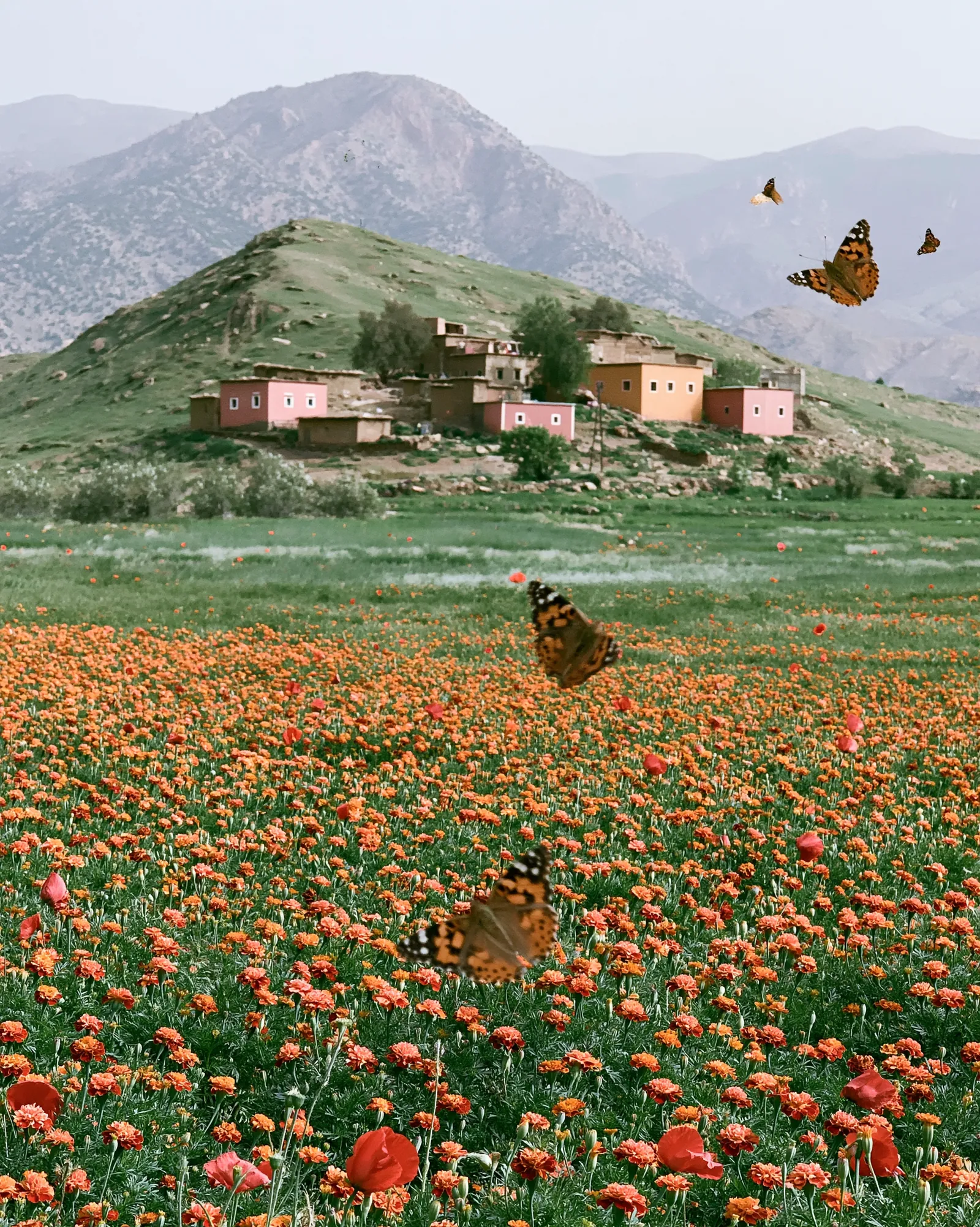
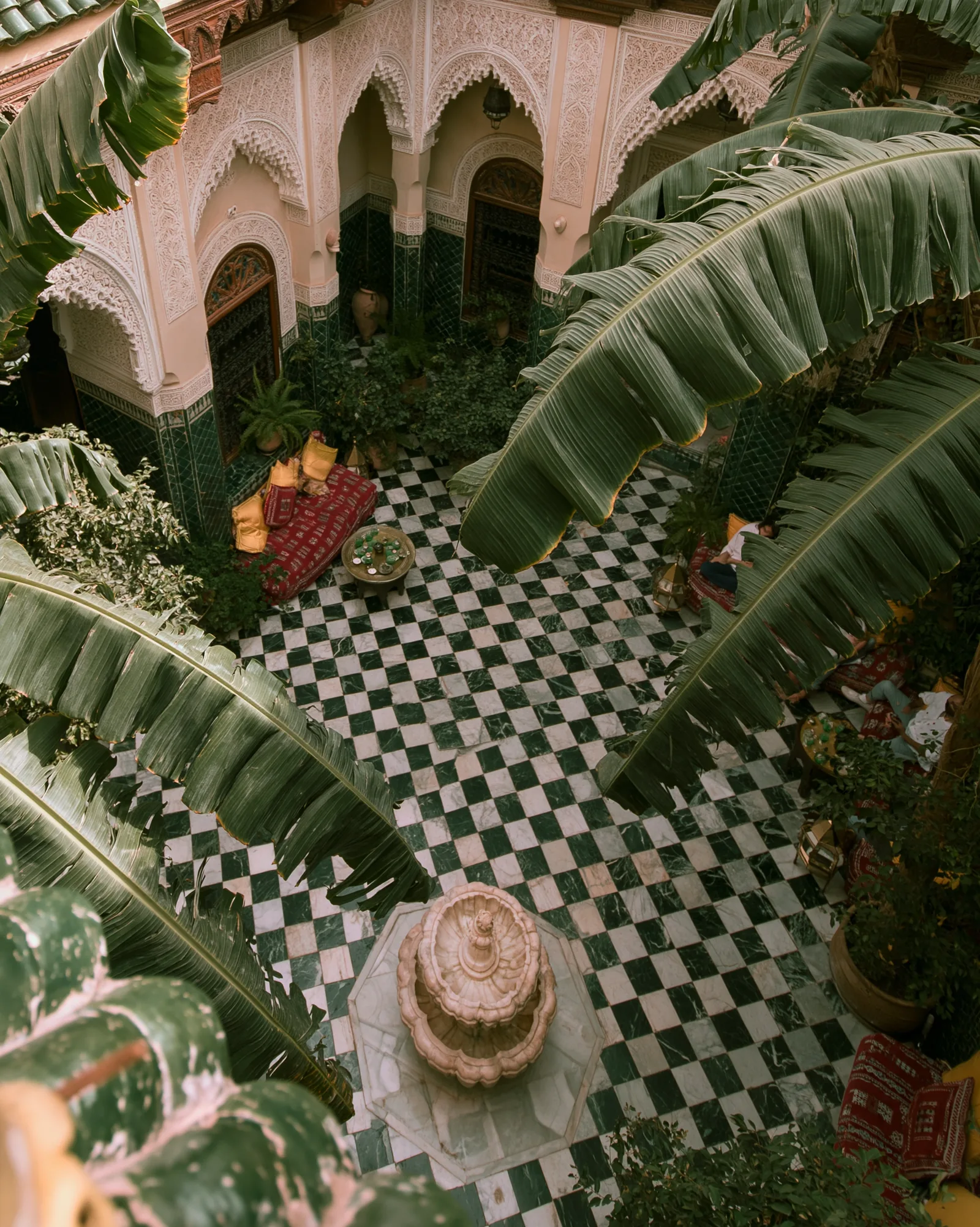
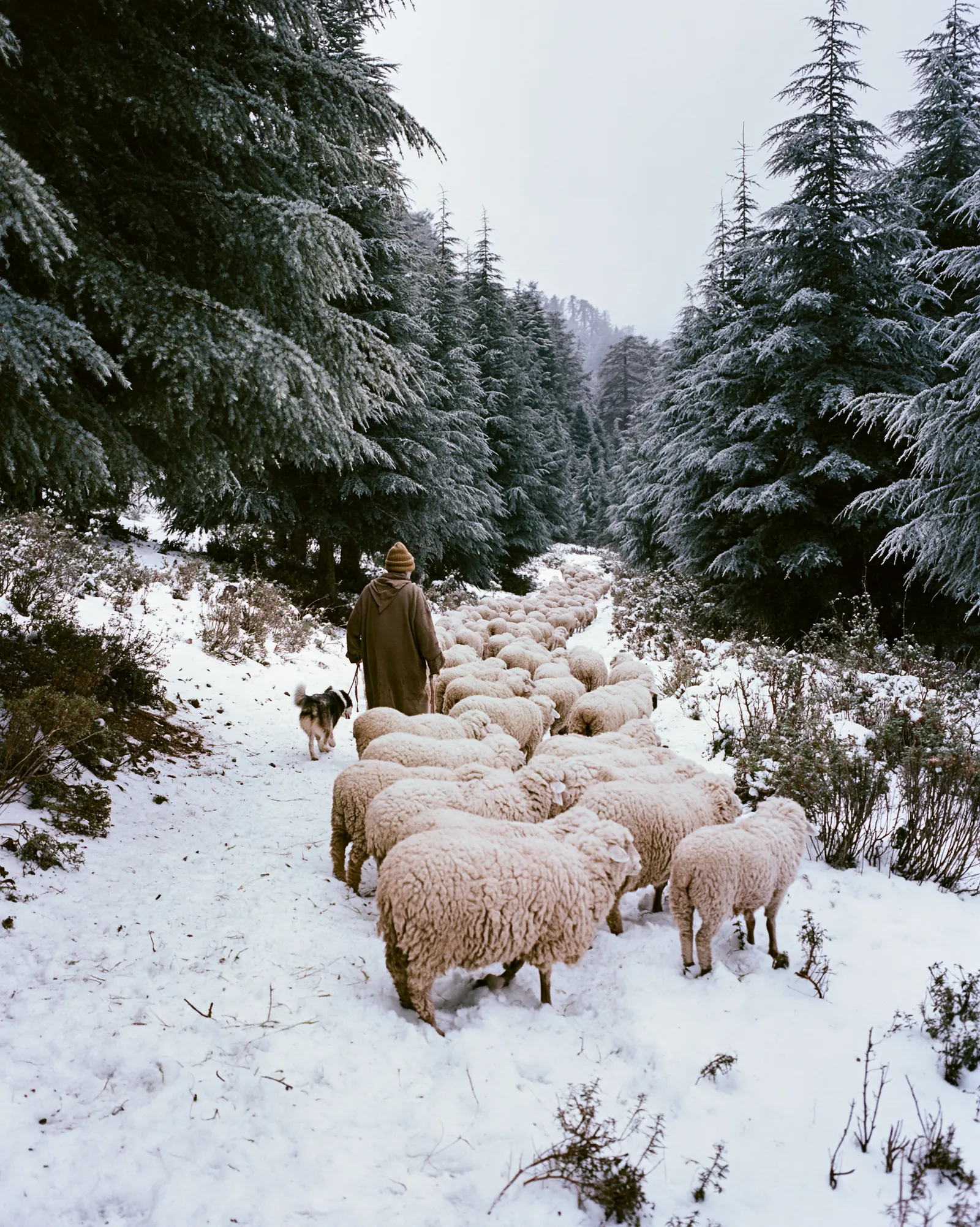
Each collection starts from a world. A meadow in flower. A riad floor of light and dark squares. A flock crossing a snowy ridge. Zarbish takes the marks the tribes have woven for generations, sets them in that world, and the rug carries it to your floor. Every one is a design language of its own: a pattern, a palette, a texture.

Painted lady butterflies over a meadow of red poppies and orange marigolds below a hill village: the flowers behind the Bloom collection
BloomMeadow, indoors
A riad patio seen from above, a green and white checker floor around a fountain under banana leaves: the board behind the Dama collection
DamaOrder, then play
An Amazigh herder leading his flock through snowy cedars: the mountains behind the Jibal collection
JibalThe winter flock
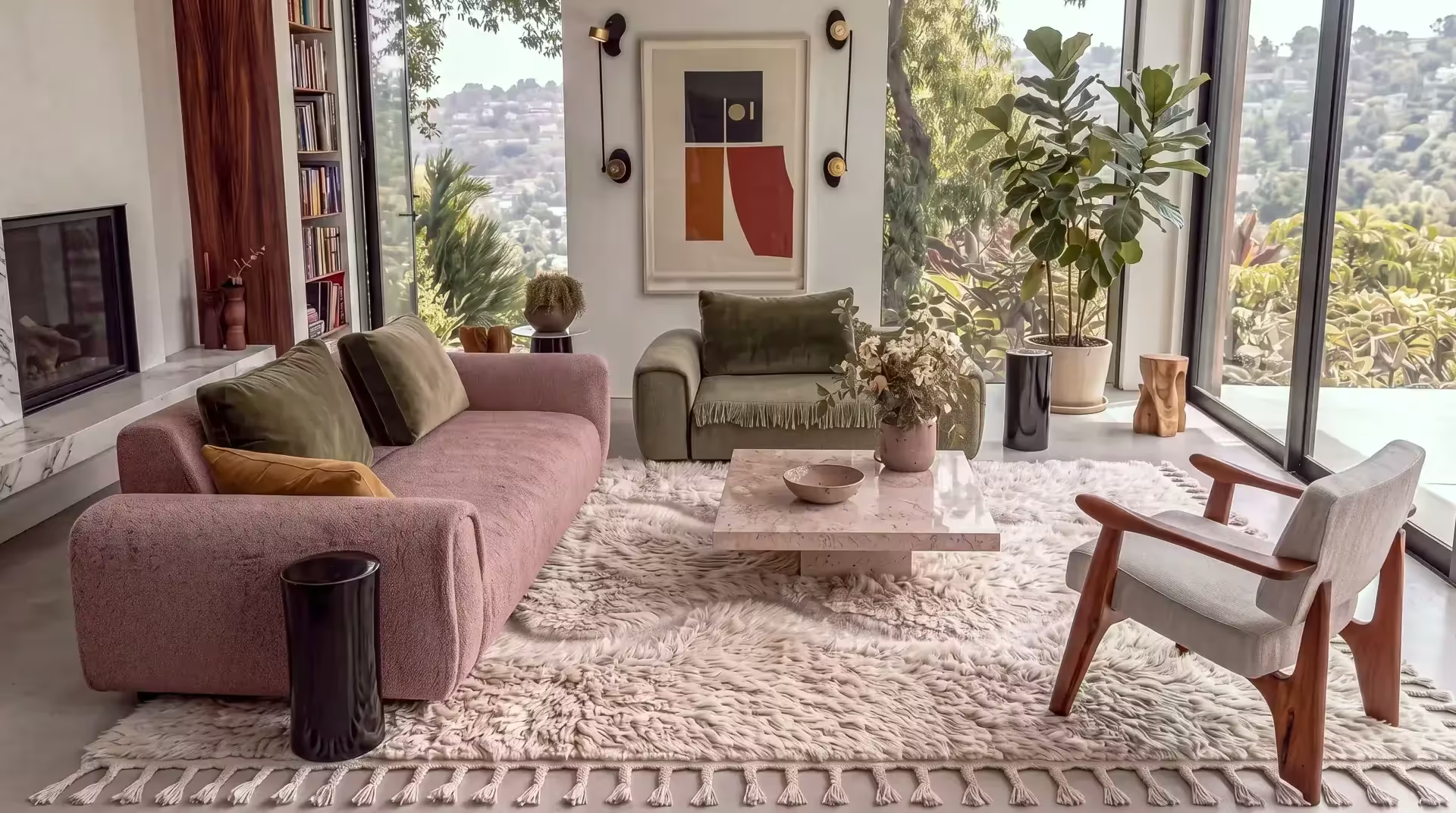
Draa Ivory hand-knotted Beni Mrirt rug in a living room beside a blush sofa and floor-to-ceiling windows

Your home

Underfoot

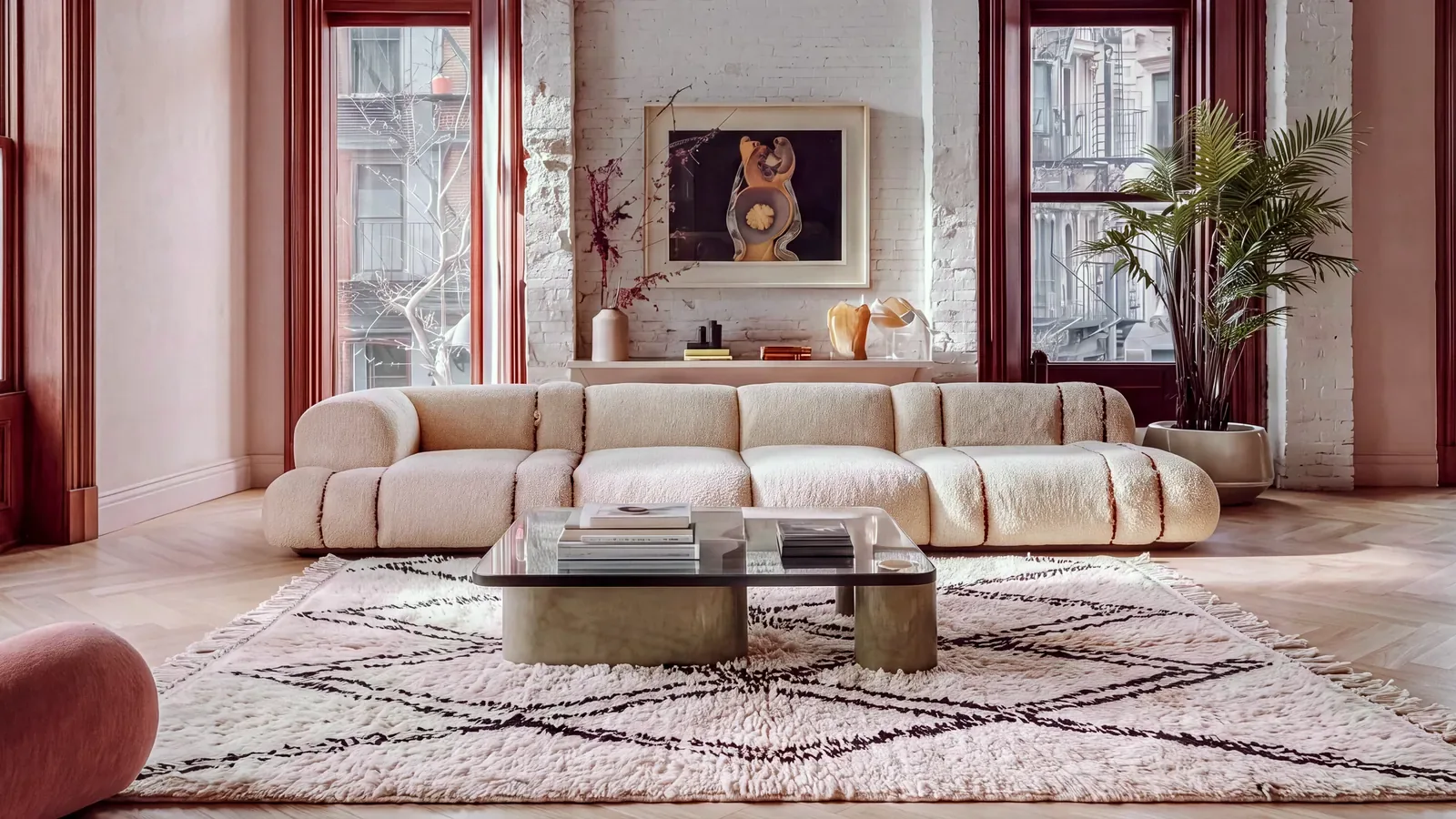
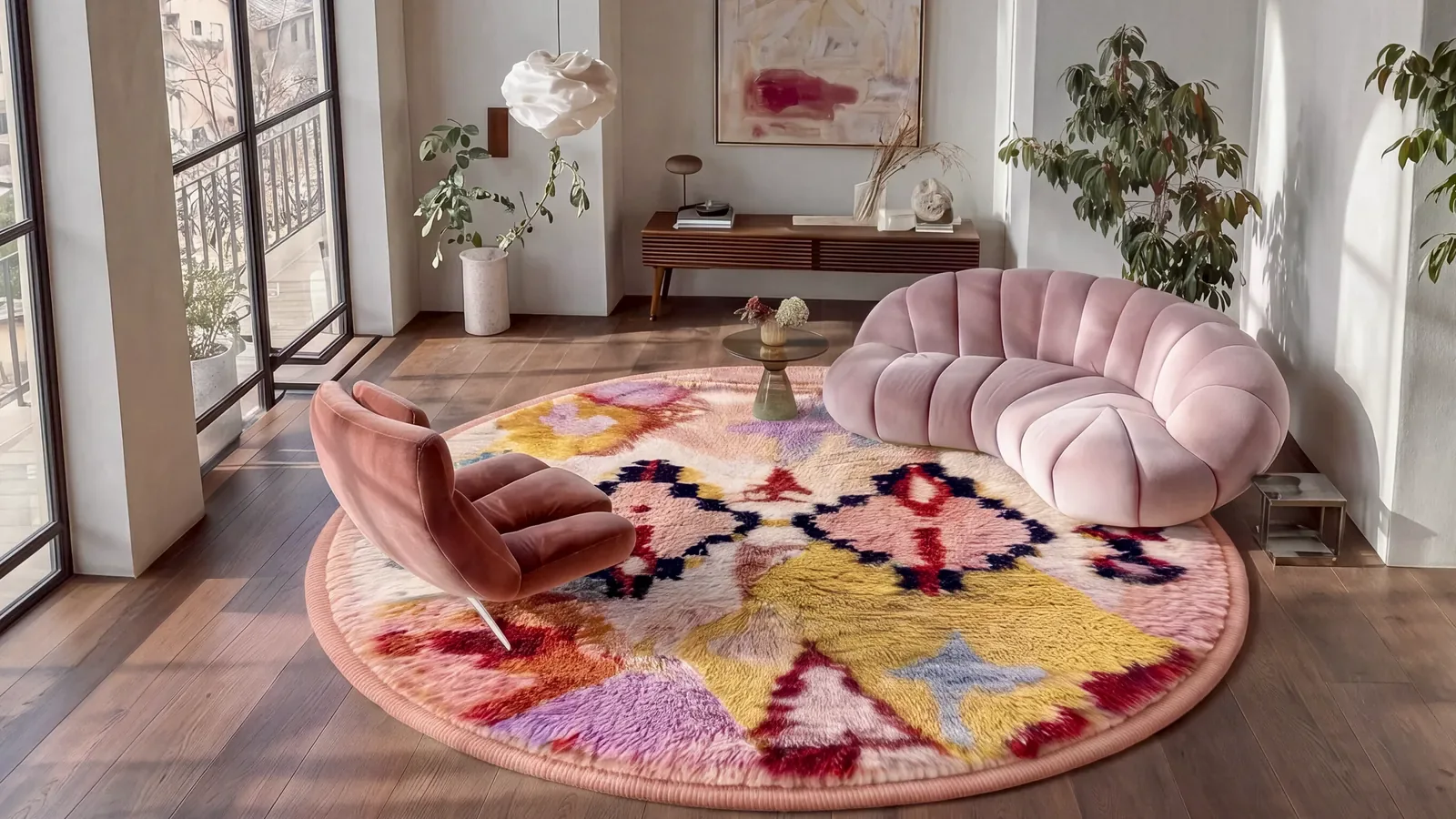
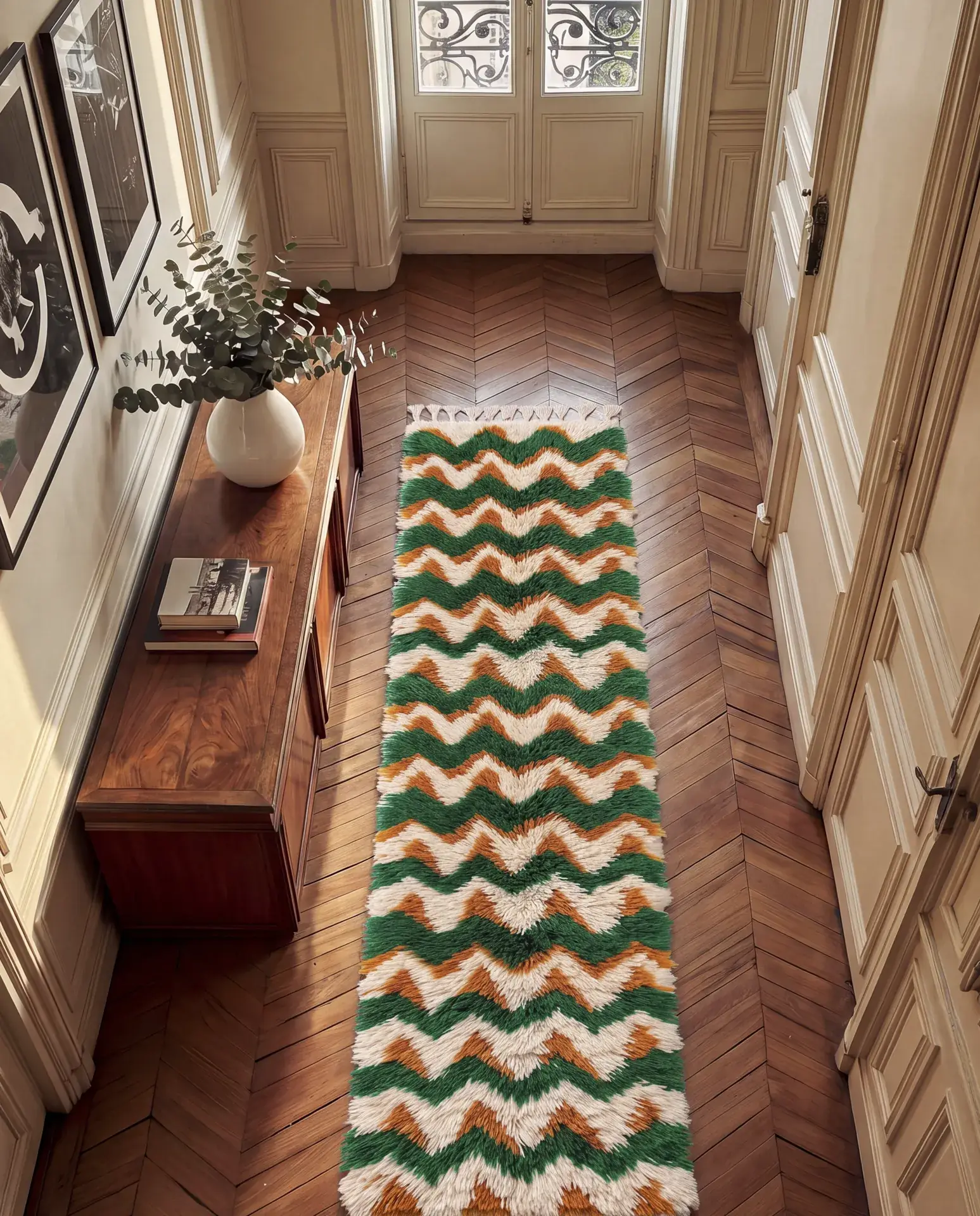
On your floor, the waiting ends. The wool is soft in a way you do not expect, and the color has depth, up close and from the doorway. Its shape, its size, its edges gather the room around it. The room is complete, and so is the rug.

Zarbia is the rug. Zarbish is the world behind it.