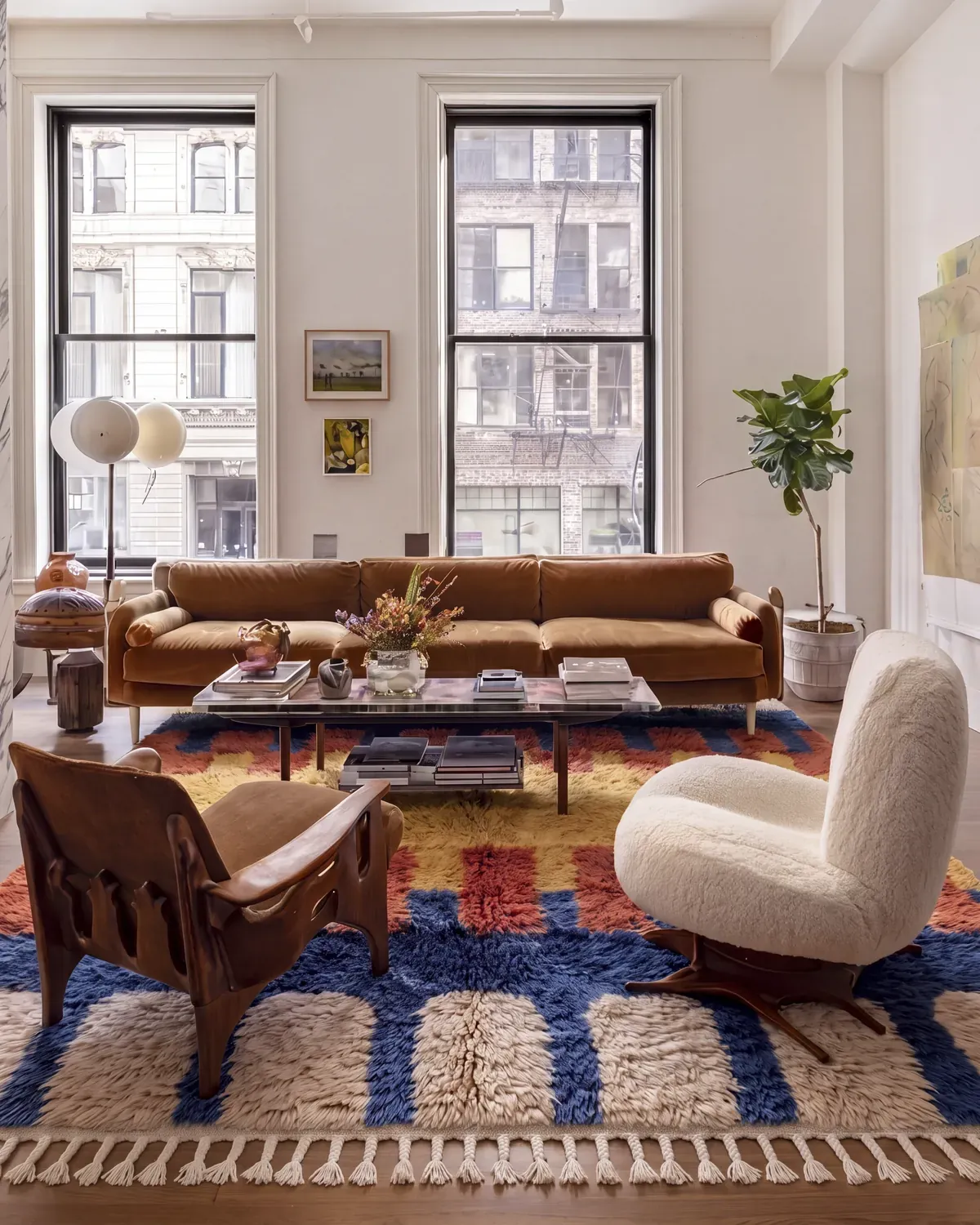

New homes
How to Add Character to a New Build, Room by Room
Floor, history, fittings, walls, materials, art, life.
By Zarbish · · 6 min read
To add character to a new build, give it what new construction leaves out: pattern on the floor, one piece with a past in every main room, better light fittings, some depth on the walls, real materials, art you chose and things that grow. A new house has no history yet. Each of these brings a little of one in.
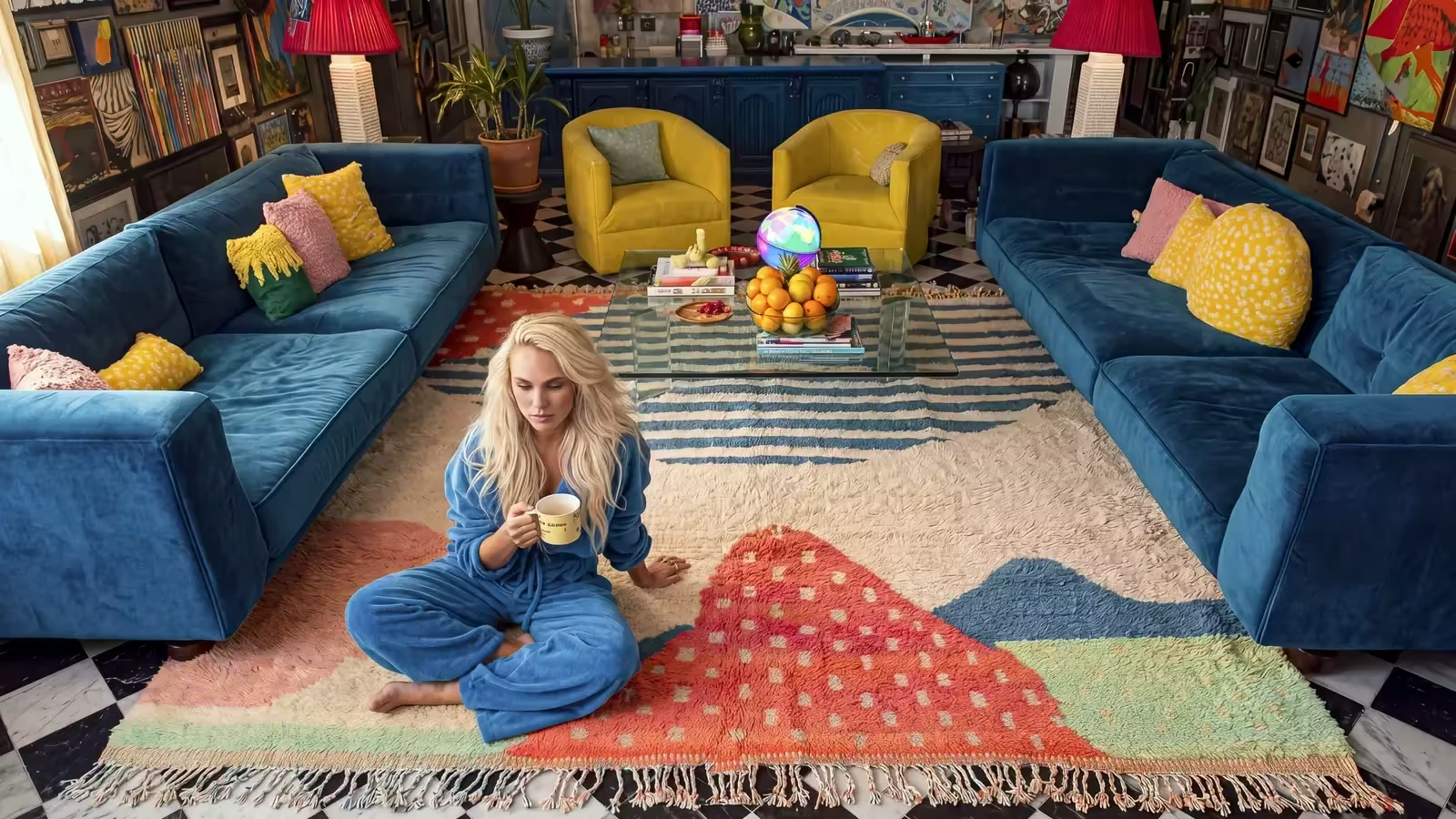
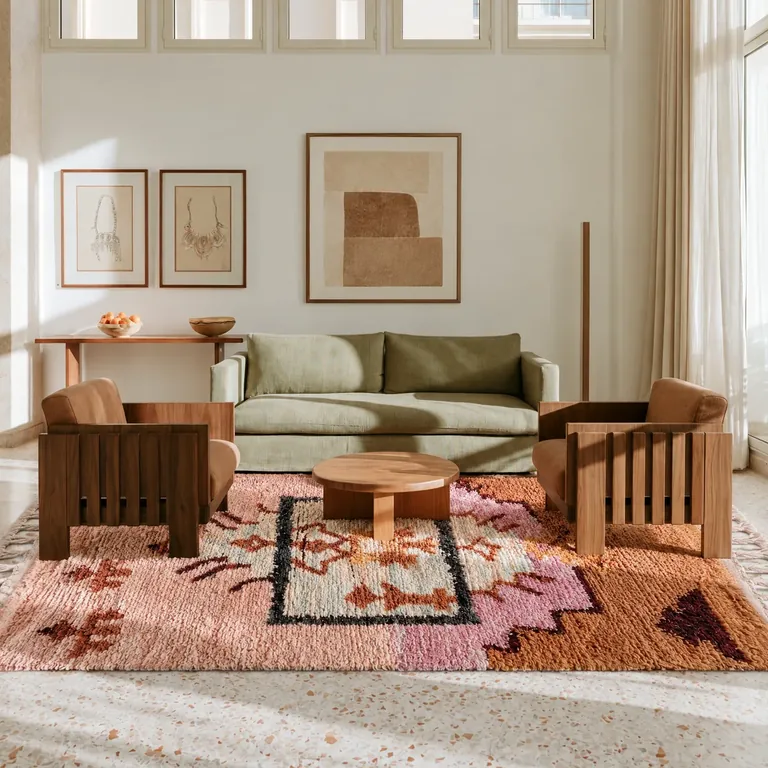
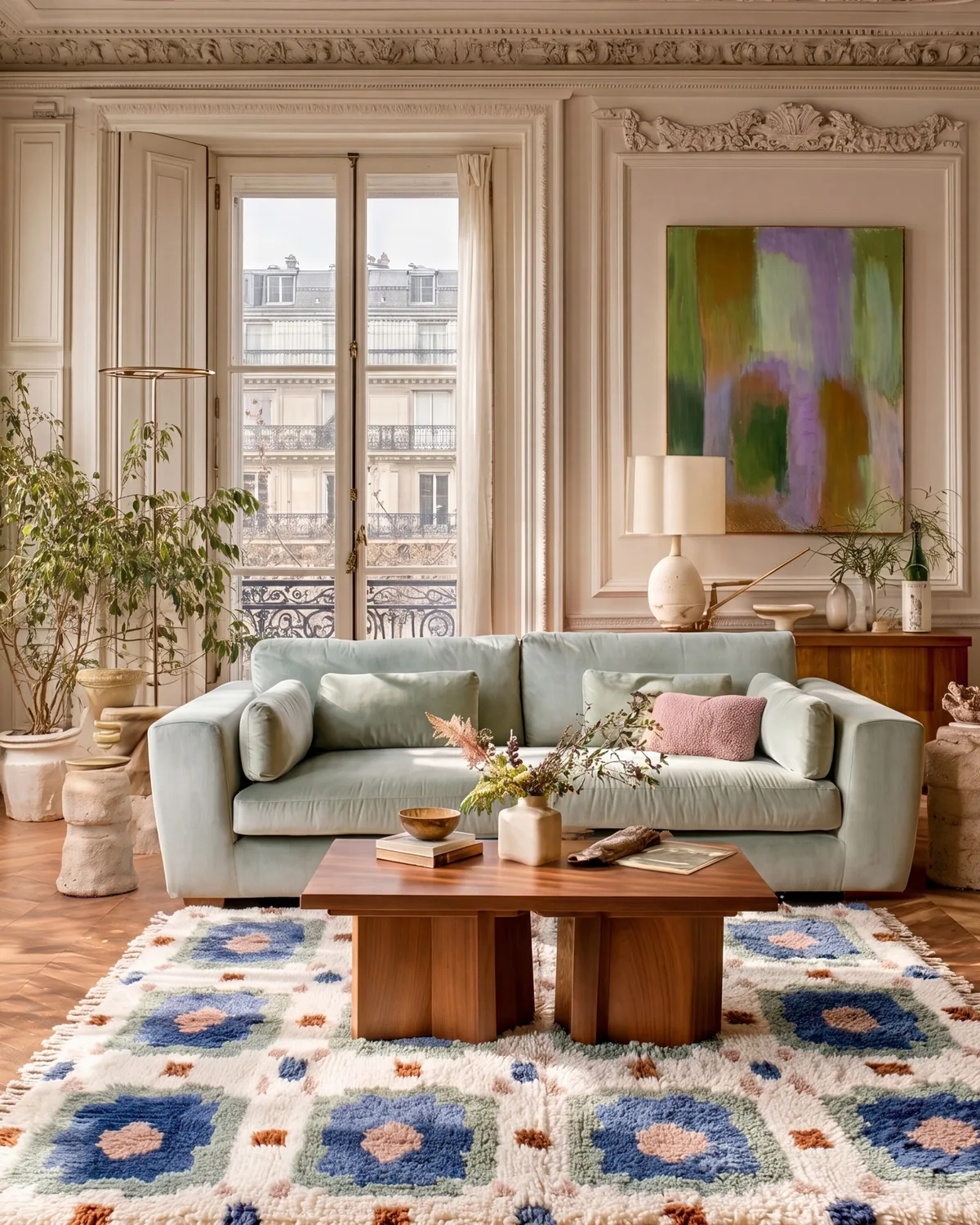
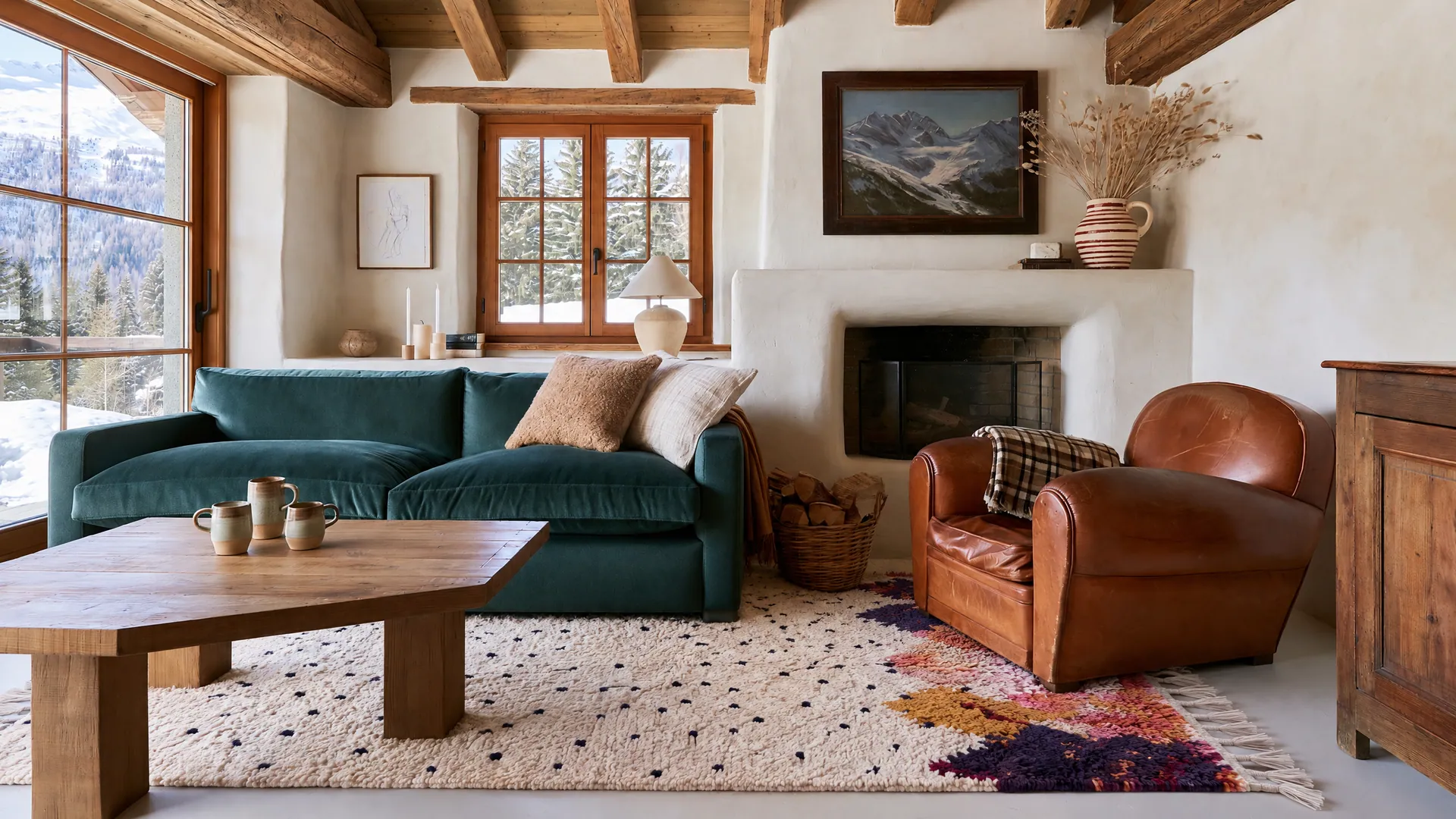
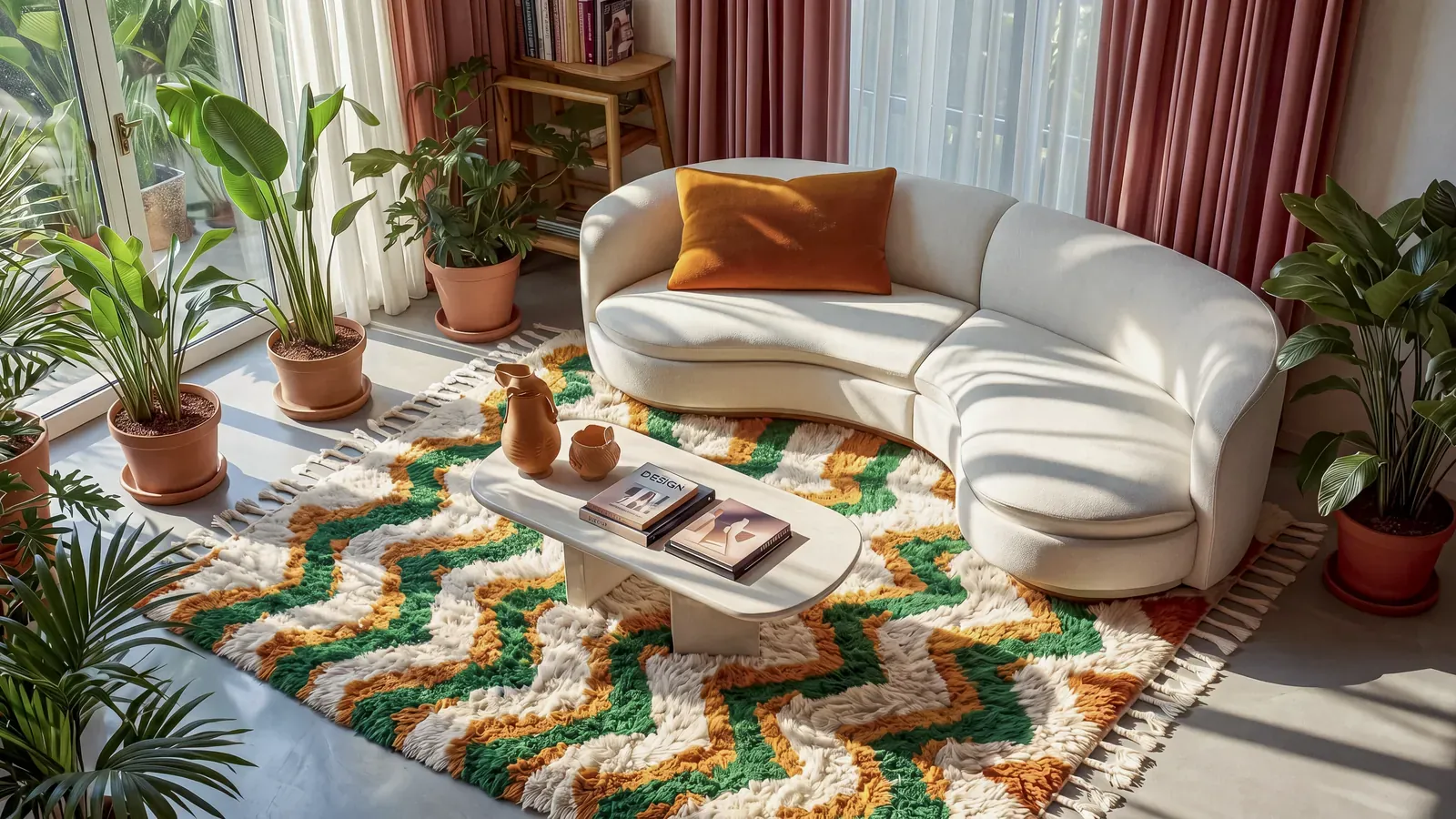
Aman's room is a plain shell, white walls, a pale floor, a white sofa, and it has a point of view because the floor has one. The zigzag sets the room's colors; the curtains and the pots only repeat them.
Key takeaways
- A new build feels bland because everything in it is new, flat and the same: white walls, one floor finish, builder light fittings and nothing with a past.
- The floor is the fastest place to add character: a rug with real pattern and hand changes a room without the builder, a landlord or a paint brush.
- Add one old thing to every main room: a chair, a table, a mirror, a lamp. A new room with one piece that has a history stops looking like a show home.
- Replace the builder's flush ceiling lights and hardware first; they are small, cheap changes that the eye reads as part of the architecture.
- Give the walls depth with trim, panelling, a limewash or one strong paint color, and the room gains the shadows and edges new construction leaves out.
Why does a new build feel bland?
New houses are built to suit anyone, so they are finished to offend no one: white walls, one floor finish throughout, flush ceiling lights, plain doors and handles from the same catalog. Then they are often furnished the same way, from one or two shops in one season. Nothing in the room is older than the house, nothing casts a shadow, nothing has a story. That sameness is what people mean by *no character*, and each fix below breaks it in a different place.
Start with the floor
The floor is the largest surface in a room after the walls, and in a new build the plainest. A rug with real pattern and hand is the quickest way to give a room its own identity, and it needs no builder, landlord or paint. It also moves with you.
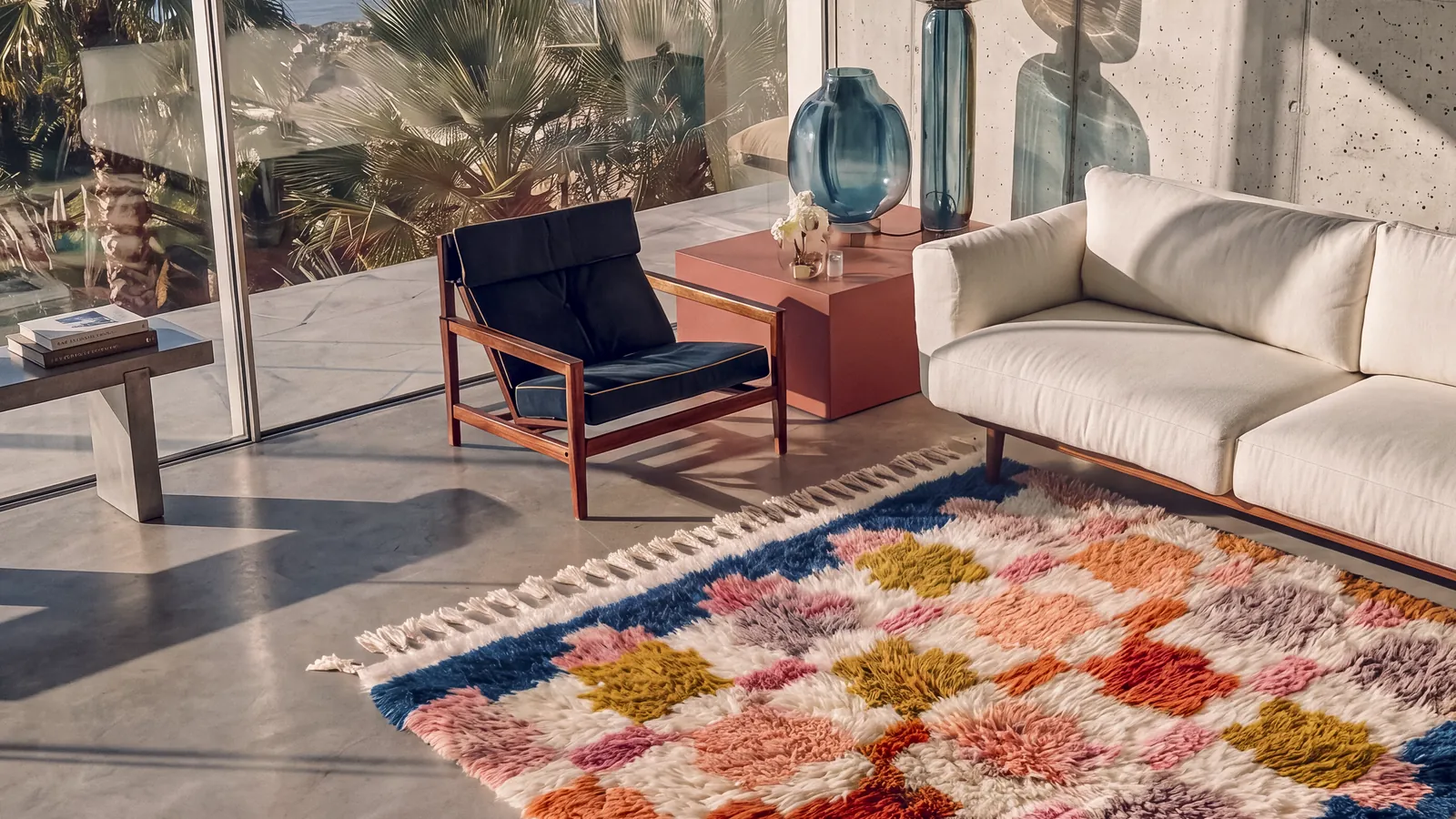
Choose it as the room's first decision, not its last: a rug with a strong design, like Aman's zigzag, can set the palette for everything else. Then size it to the seating, not to the room:
- Place the sofa first, a foot (12 in) off the wall if the room allows, and the chairs where you will really sit.
- Measure the group from the outside of one arm to the outside of the other, and from behind the sofa's front legs to behind the chairs' front legs.
- Choose the rug that takes every front leg. A sofa up to 96 in with two chairs takes an 8x10 ft; a longer sofa or a sectional, a 9x12 ft.
The chart by sofa length is in the living room rug size guide, and the designs are on the living room rugs page.
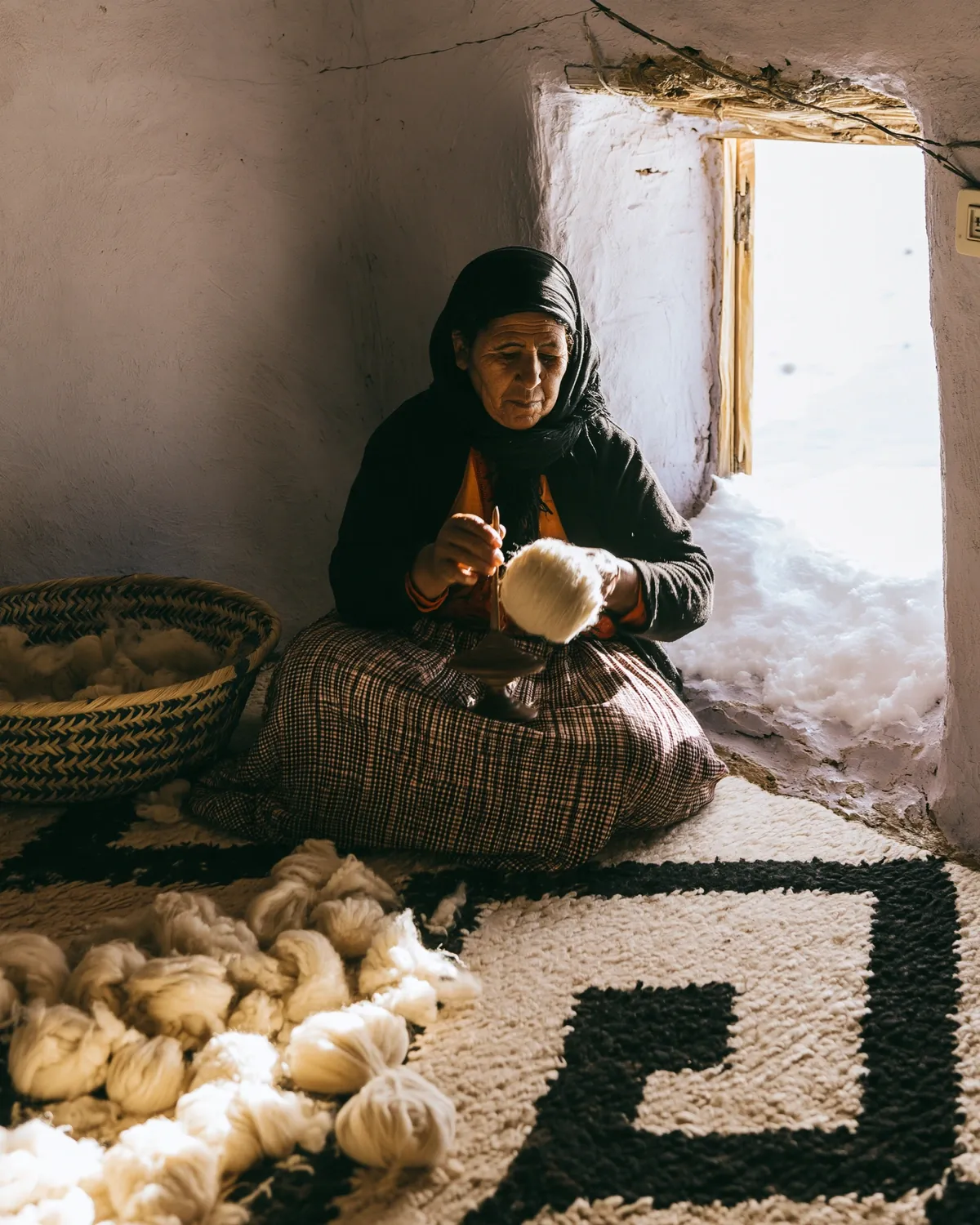
A rug Zarbish knots by hand carries something a new room cannot have on day one: every knot was tied one at a time, row by row, so the surface holds the small variations of a made thing.
Which rug suits a gray floor?
The usual new-build floor is pale gray plank, light oak laminate, gray tile or polished concrete, each with a cool cast, and the rug is where you warm it. Rust, terracotta, camel, ochre and deep green read richer against gray, and an ivory ground with brown or black lines stays crisp on it; a rug in the floor's own gray disappears into it. Pale oak takes almost anything, so there the pattern can lead.
Bring in one thing with a past
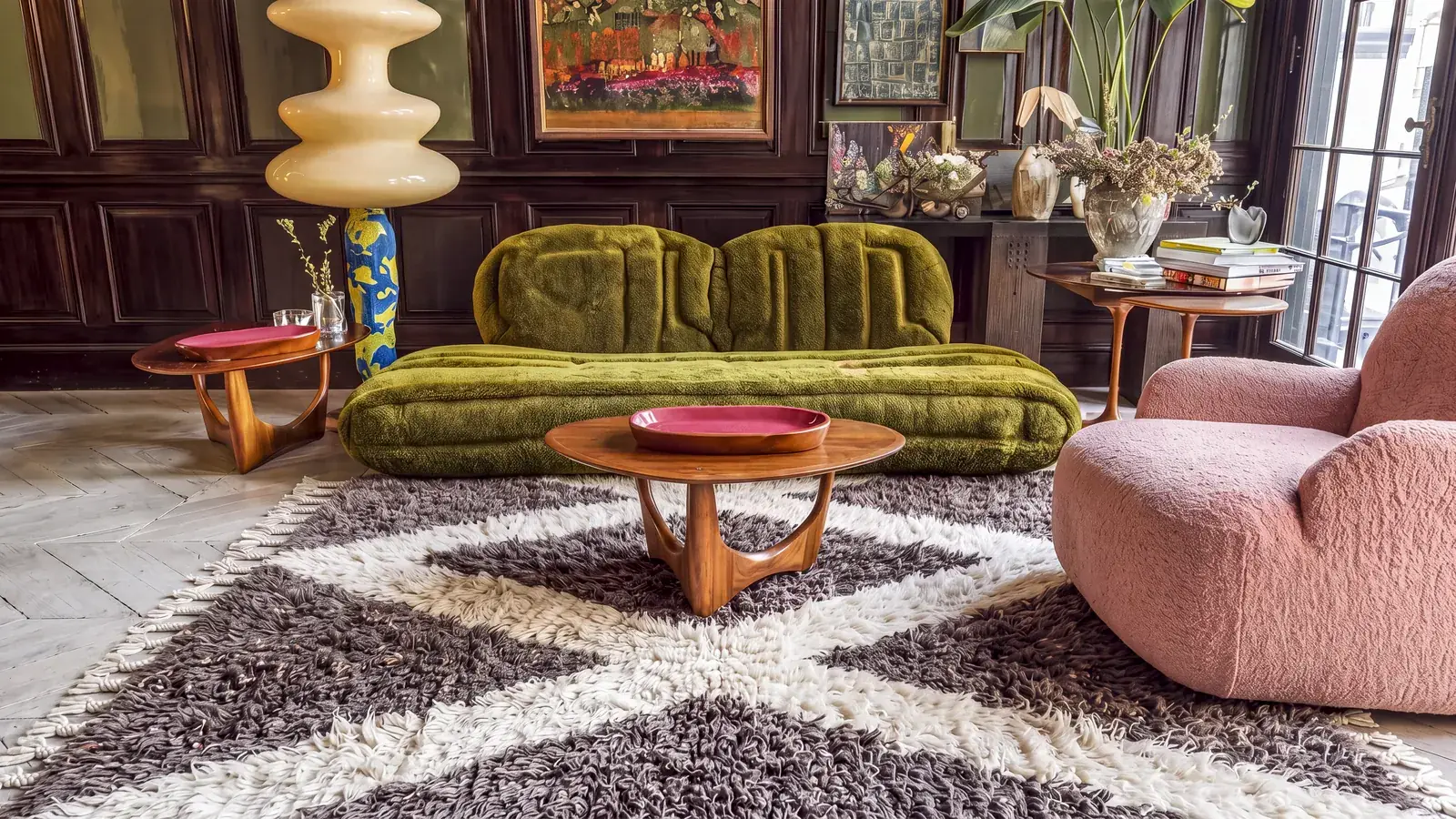
Put one old piece in every main room: a wooden chair, a side table, a mirror, a lamp, a chest, bought secondhand, inherited or found. It does not need to be valuable or match anything. Its scuffs, patina and slightly different proportions tell the eye that the room was put together over time, which is exactly what a new house lacks.
Change the builder fittings
Builder-grade fittings are the details the eye reads as part of the house, so replacing them feels like changing the architecture:
- Swap the flush ceiling lights in the main rooms for a pendant, a paper shade or a fitting with some shape.
- Change door handles and cabinet pulls to a material with weight: aged brass, black iron, wood.
- Replace plastic switch plates in the rooms you use most.
- Add lamps, so the ceiling light is no longer the only source.
Give the walls some depth
Old houses have trim, cornices, deep window reveals and plaster that catches the light unevenly. New walls are flat. You can add some of that back: picture-frame molding or panelling on one wall, a deeper baseboard, a limewash or clay paint that moves in raking light, or one strong color on the walls and trim of a smaller room, a study, a hall, a dining room. Built-in shelves either side of a fireplace or a window do the same with books.
Use real materials
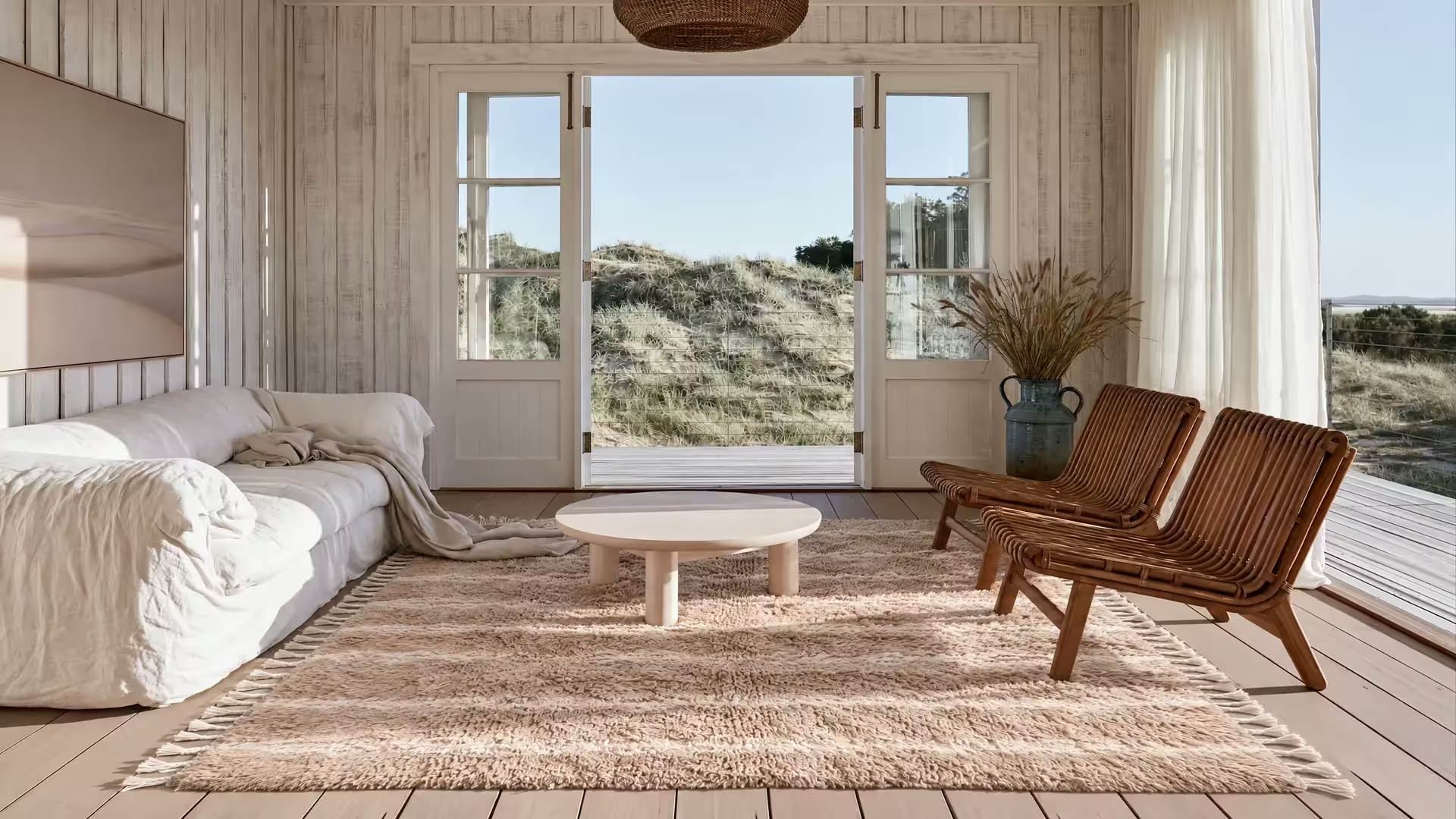
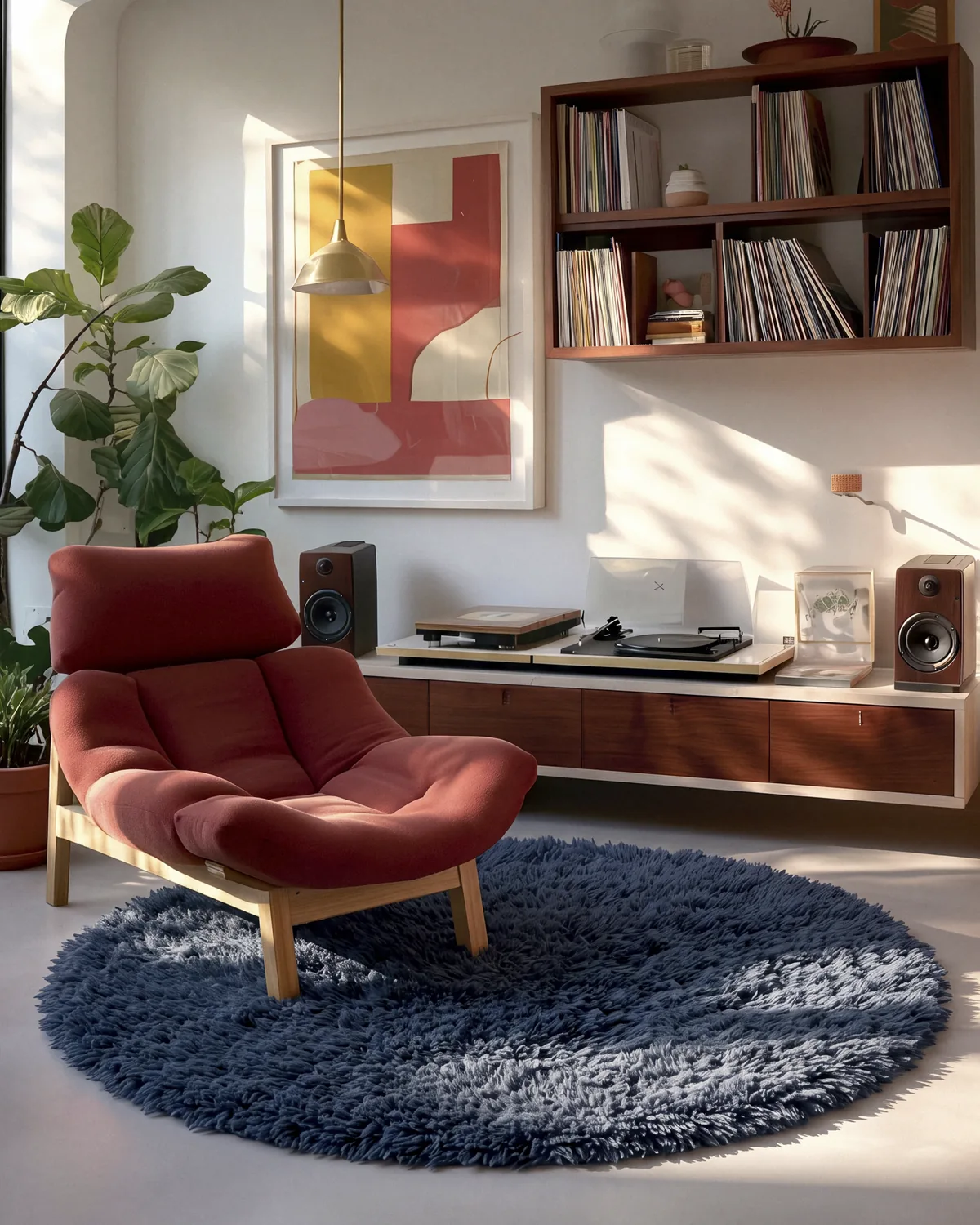
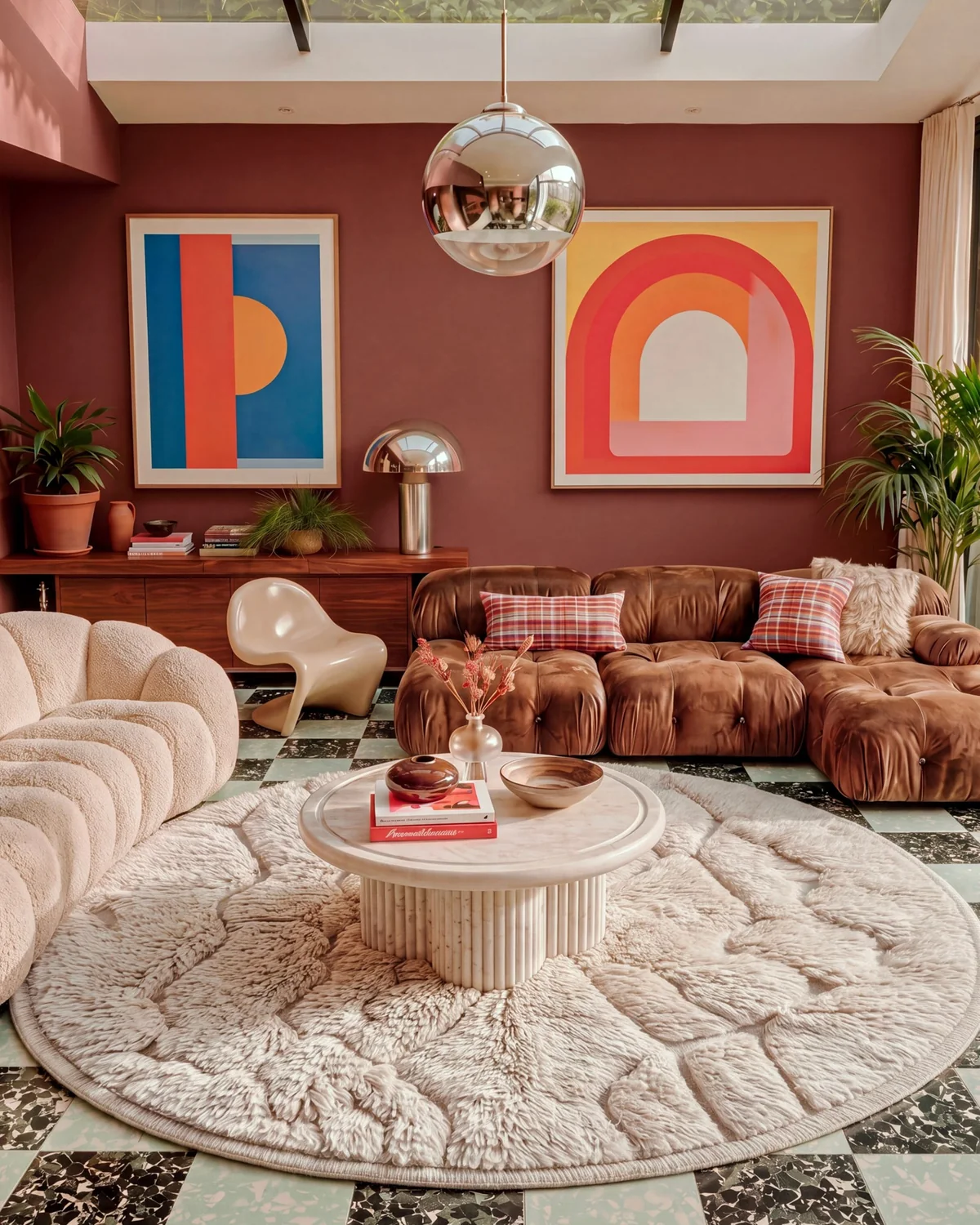
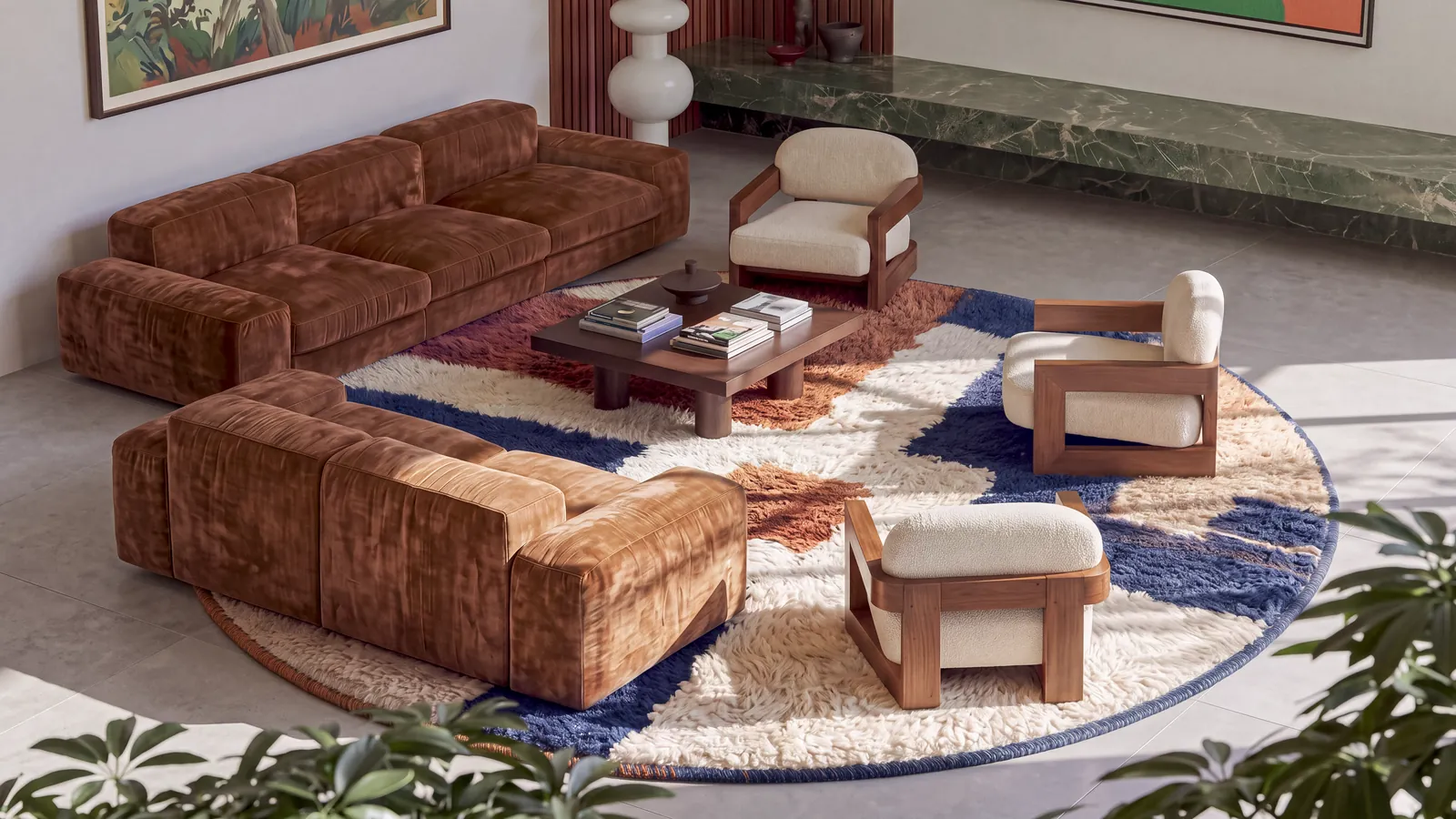
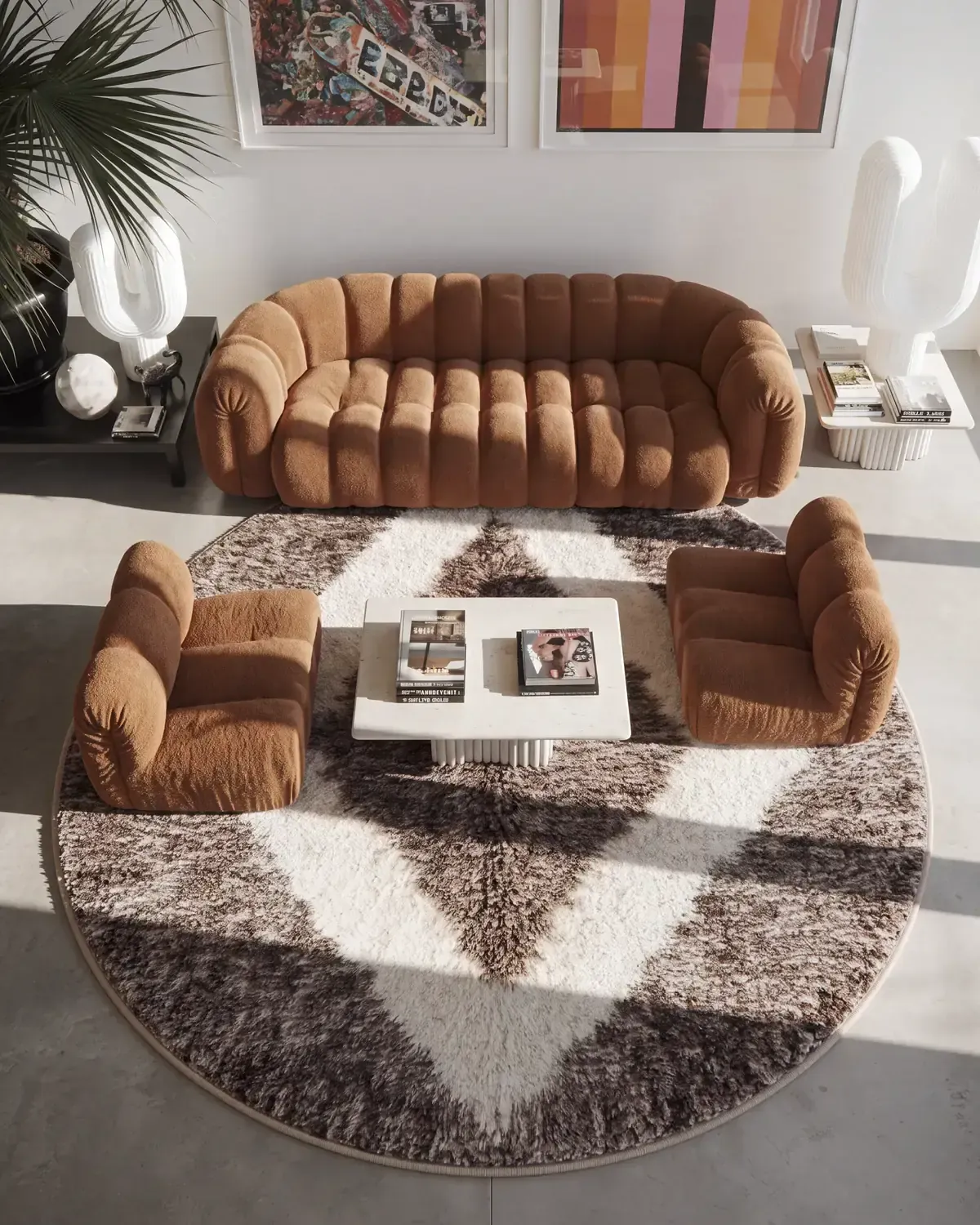
New builds lean on smooth, uniform surfaces: painted drywall, laminate, sealed stone. Bring in materials that vary: wood with a visible grain, linen and wool, stone or terracotta, rattan, leather that will mark. In Tamda's room the concrete floor and white walls stay as they are, and the bouclé, the round wool rug and the framed prints give them something to set off.
Hang art and books
Bare walls are the most common reason a new room looks unfinished. Hang one large piece or a group at eye level, about 57 in to the center, and put books where they can be seen, on shelves or stacked on a table. Art and books are the most personal things in a room; they are character in its plainest form.
Bring something living in
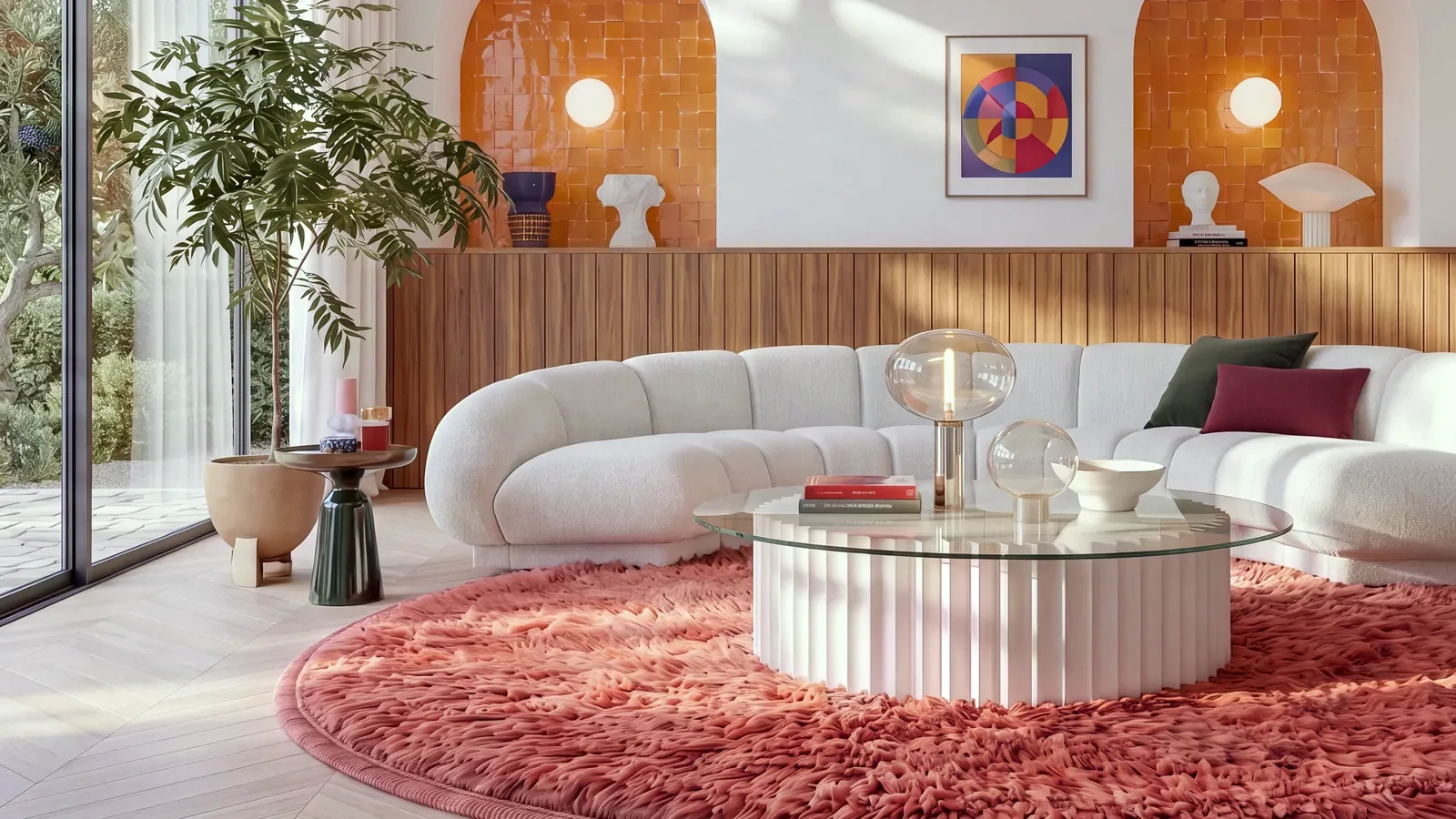
Plants add irregular shapes, height and green to a room of straight lines. One large plant in a corner does more than a row of small ones; branches in a tall vase work where light is low.
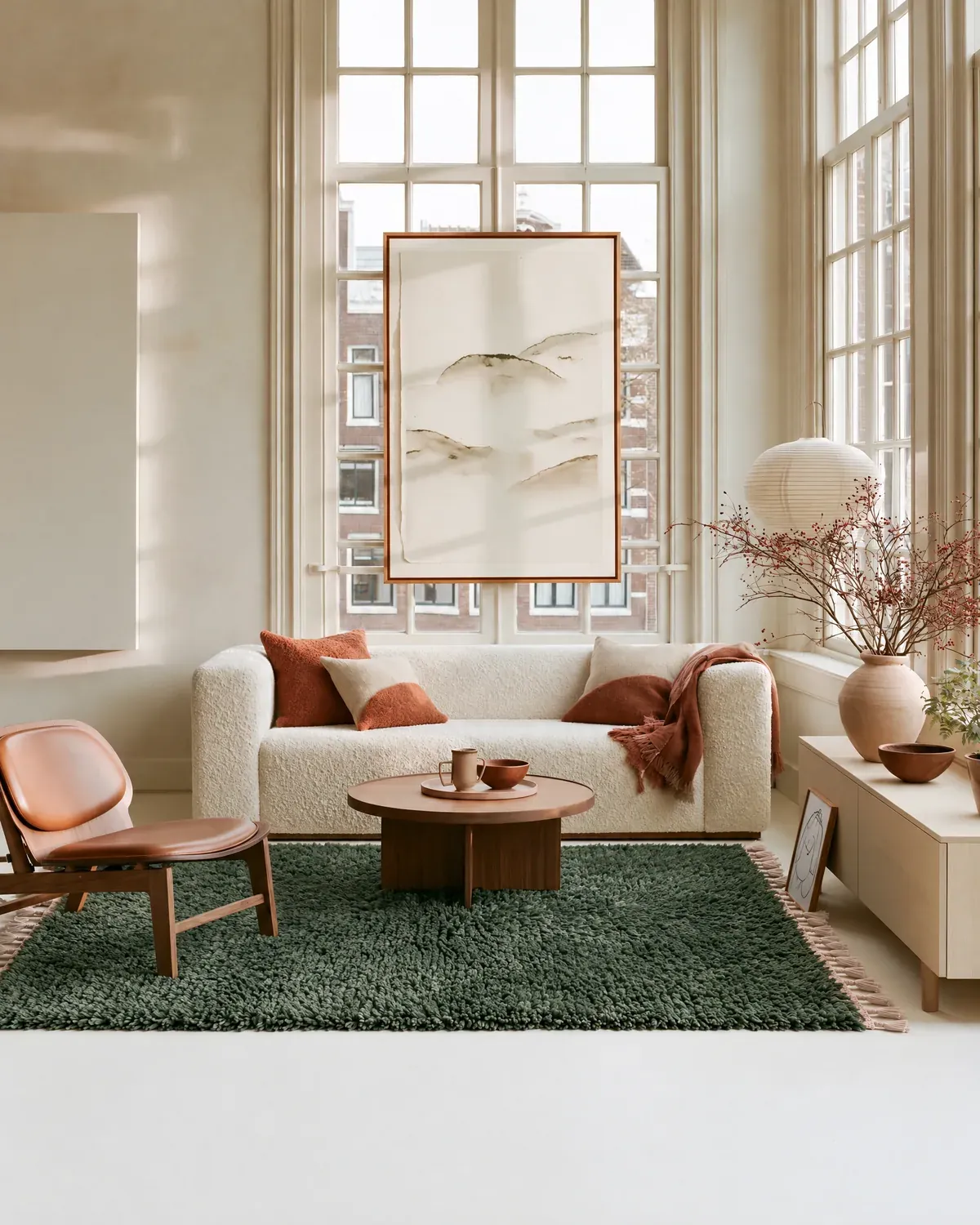
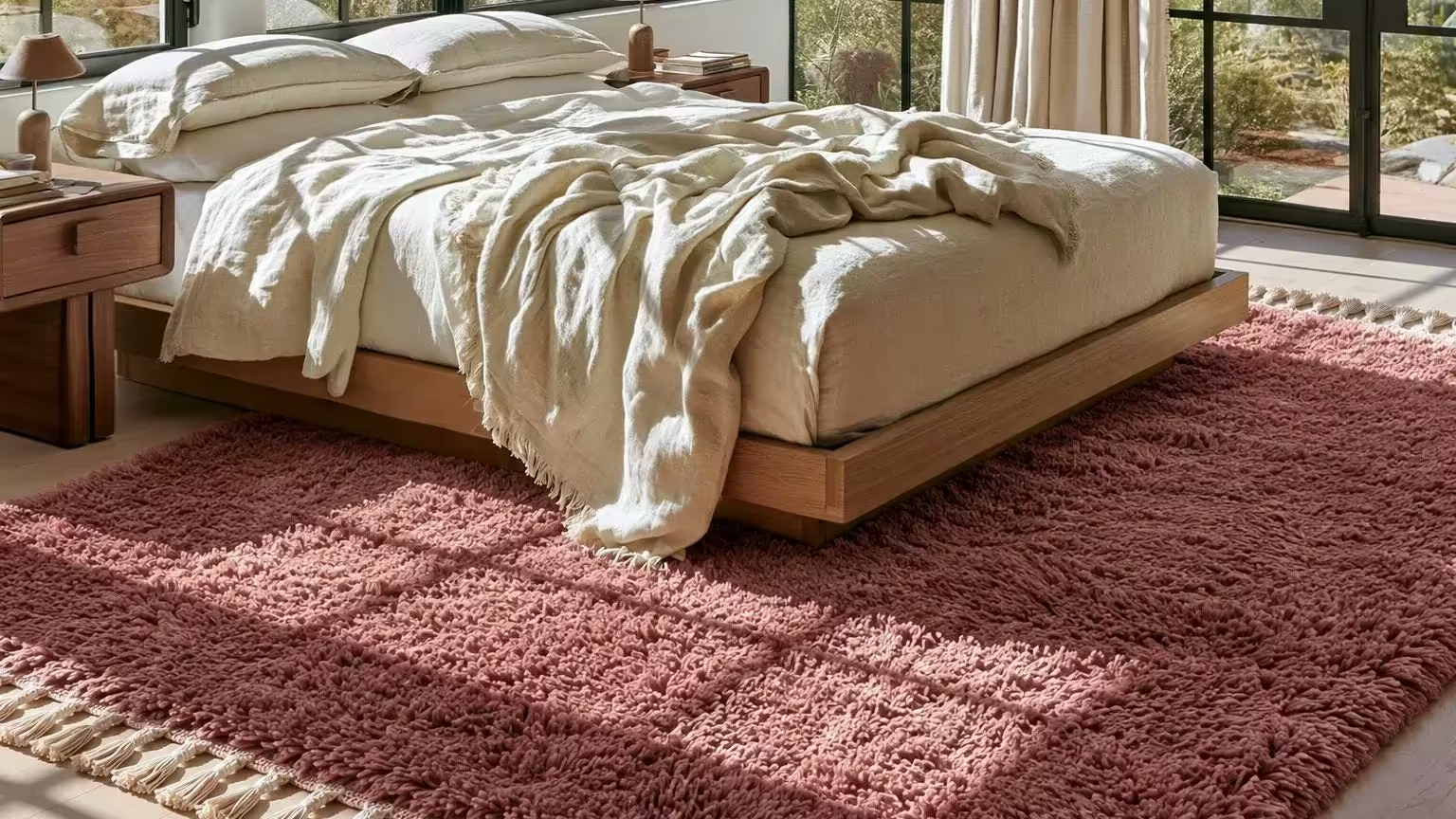
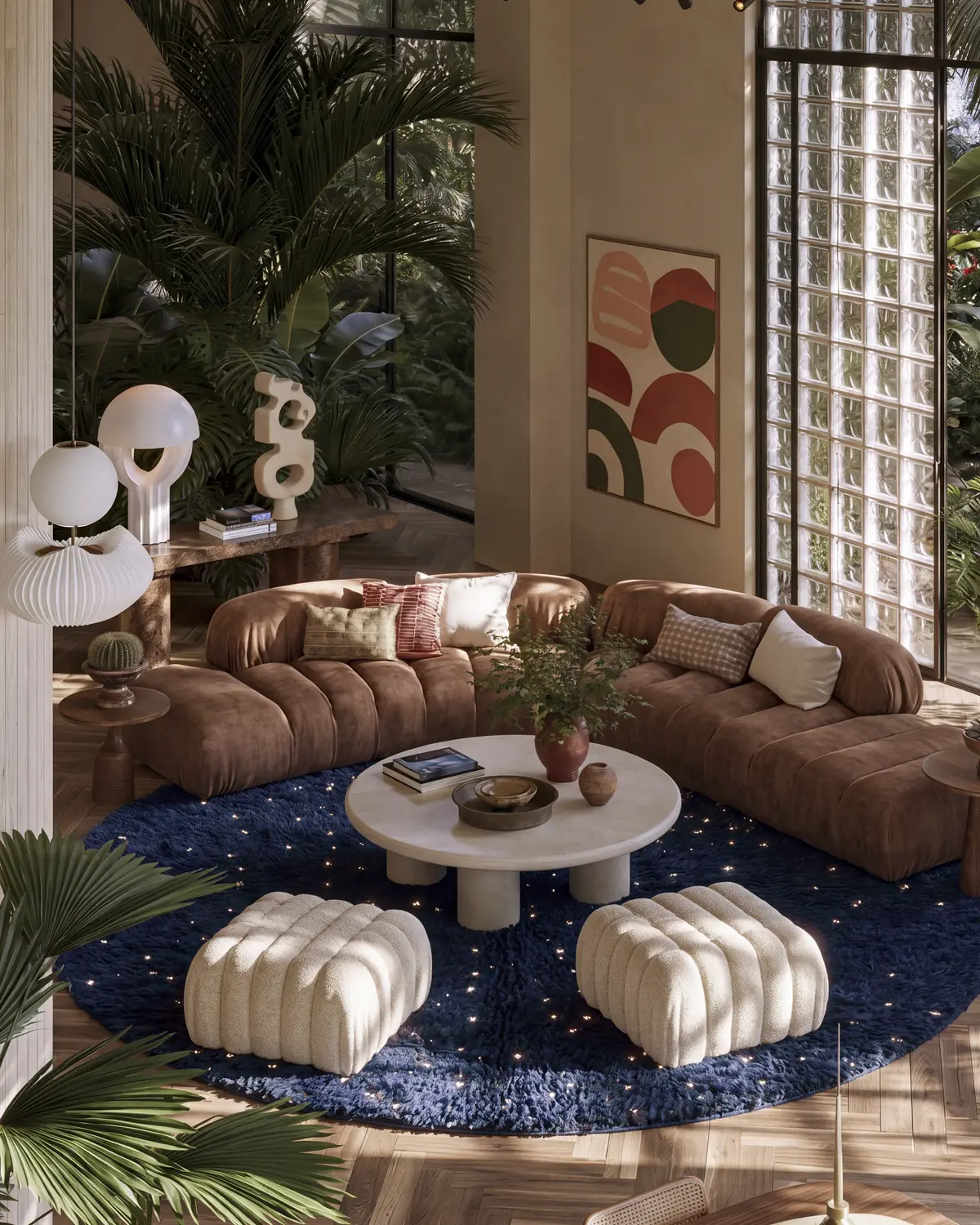
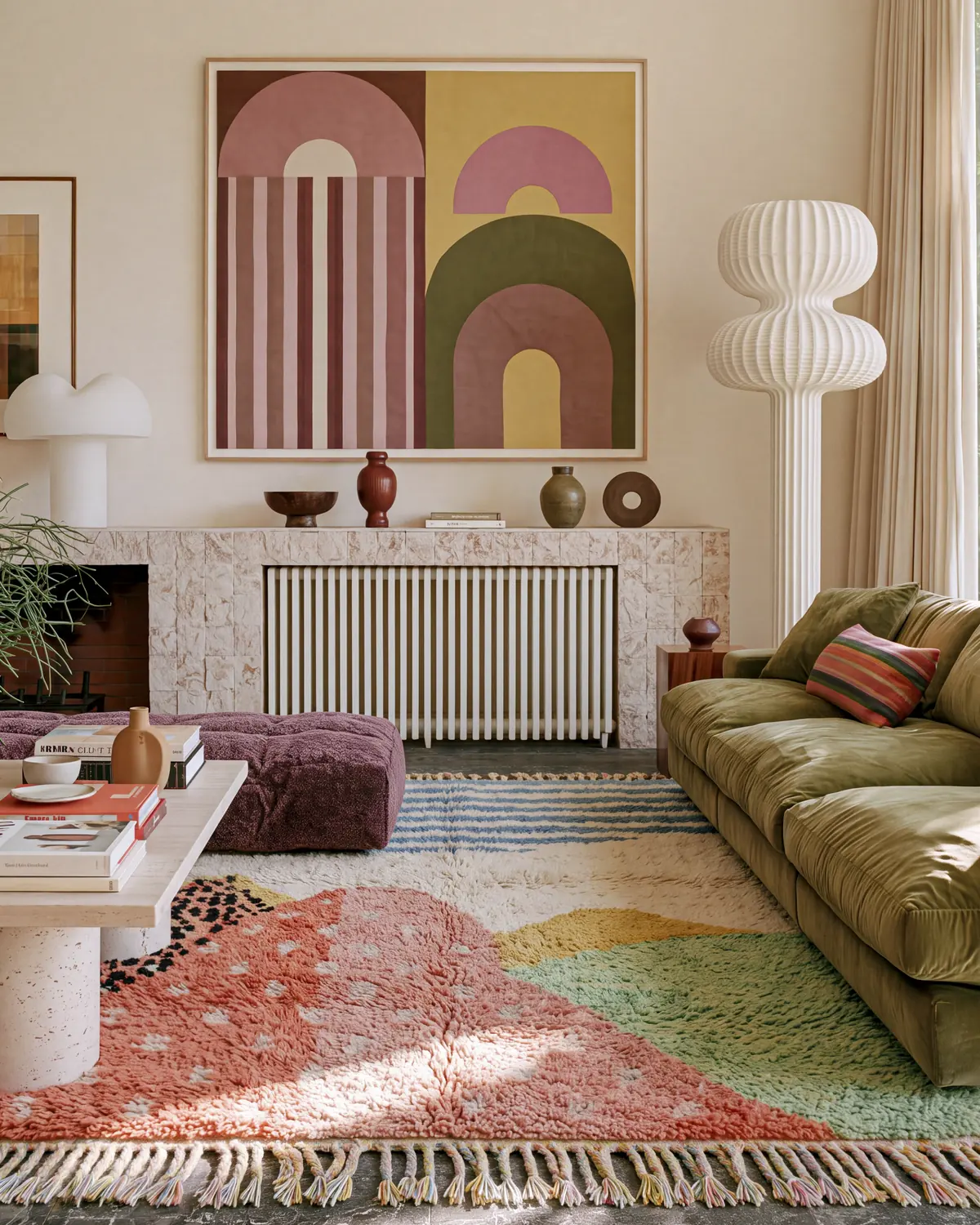
Tagant's room has almost nothing in it, and it does not look new: a deep green floor, one leather chair, one paper lantern and a branch in a jar.
The rugs, measured
The figures come from each Zarbish rug's own photo and catalog record, measured on the pictured colorway, so they describe that colorway only.
| Rug | Collection, lineage | Shape | Color share of the rug | Wool and dye | Pile and hand |
|---|---|---|---|---|---|
| Aman | Mozaik, Berber | classic | ivory 35%, forest green 33%, orange 30% | Natural wool, naturally dyed | Soft, springy pile, dense edge to edge |
| Tamda | Jibal, Beni Ourain | round | taupe 62%, ivory 38% | Undyed wool in its natural fleece shades | Dense, soft pile, the motifs set by height and density |
| Tagant | Dune, Beni Ourain | classic | forest green 86% | Natural wool in natural dyes | Deep, cushioned pile with an even surface |
Three ways to give a plain room its character from the floor: a strong pattern in three colors, a quiet pattern in two undyed tones, or one deep color and no pattern at all.
Just moved in and not sure where to start? Send us a photo of the room. If it is furnished and still feels unfinished, go through what your living room is missing.
For the people who make rooms worth sharing: Zarbish Creators